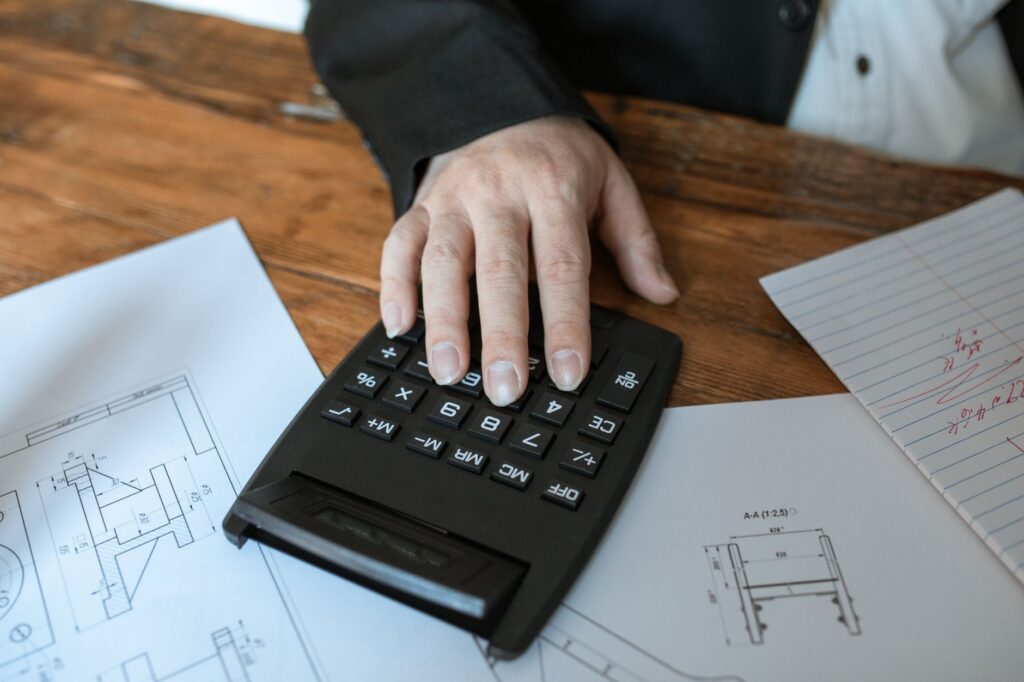
Whether you’re planning a kitchen renovation, building a deck, or tackling a bathroom remodel, understanding project costs and material requirements upfront is critical to success. A DIY calculator removes the guesswork from home improvement planning, helping you budget accurately, order the right quantities of materials, and avoid costly mistakes. This comprehensive guide walks you through how DIY calculators work, which types solve the most common problems, and how to use them effectively for your next project.
What Is a DIY Calculator and Why You Need One
A DIY calculator is a digital tool designed to estimate materials, costs, and quantities for home improvement projects without requiring professional contractor experience. These calculators save homeowners time and money by providing instant answers to questions like “How much paint do I need for my bedroom?” or “What’s the total cost of materials for my new patio?”
The average homeowner spends 15 to 20 hours planning a renovation project, much of it spent researching material prices and doing manual math. A DIY calculator condenses this research into minutes. Instead of visiting multiple stores, calling suppliers, or hiring consultants, you input your project dimensions and specifications into a calculator, and it instantly returns material quantities and estimated costs based on current market prices.
Beyond simple cost estimation, DIY calculators help prevent over-purchasing or under-purchasing materials. Buying too much wastes money and storage space; buying too little means extra trips to the hardware store and project delays. The accuracy of a good DIY calculator typically ranges from 85 to 95 percent, depending on local pricing variations and specific material choices.
Common Types of DIY Calculators for Home Projects
Different projects require different calculators. Here are the most widely used types that solve real homeowner problems:
Flooring Calculators. Whether you’re installing hardwood, laminate, tile, or vinyl, flooring calculators determine square footage and account for waste. Most recommend adding 8 to 12 percent extra material for cuts and installation mishaps. A 200-square-foot room might require 224 square feet of actual material when waste is included.
Paint Calculators. These tools estimate how many gallons you need based on room dimensions, ceiling height, and number of coats. A typical gallon covers 250 to 400 square feet depending on surface texture and paint type. Underestimating by even one gallon can mean color-matching problems or project delays.
Roofing Calculators. Roofing projects are expensive—averaging $8,000 to $15,000 for a full replacement—so accurate material calculation is crucial. These calculators measure roof square footage, account for roof pitch, and estimate shingle quantities and additional materials like underlayment and flashing.
Drywall Calculators. For wall construction or repairs, these tools calculate the number of sheets needed based on wall dimensions and determine tape, joint compound, and fastener quantities for finishing.
Concrete Calculators. Pouring concrete for a patio, foundation, or driveway requires knowing exact yardage. Ordering too little means an incomplete project; ordering too much wastes $100 to $300 per cubic yard. These calculators prevent both problems.
Landscaping Calculators. Whether calculating mulch for garden beds, soil for raised planters, or gravel for pathways, landscaping calculators ensure you order the right volumes measured in cubic yards or tons.
How to Use a DIY Calculator Effectively
Getting accurate results from a DIY calculator depends on accurate input. Follow these steps to maximize precision:
Measure carefully. Use a measuring tape, not estimates. Measure twice and record all dimensions. For rooms, measure all walls even if they appear equal—older homes often have uneven dimensions. For outdoor projects like patios or decks, account for slopes, curves, or irregular shapes that might require additional material.
Know your specifications. Before using a paint calculator, know whether your walls are smooth or textured. For roofing projects, you need the roof pitch. For flooring, confirm whether you’re using 12-inch or 18-inch tiles. These details significantly affect material quantities and costs.
Input local pricing information when available. Many advanced DIY calculators allow you to input your regional material costs. National averages may be $2 per gallon for paint in one area and $4 in another. Adjusting for local pricing gives you a budget that actually reflects your market.
Add a contingency buffer. Even with precise calculations, experts recommend adding 10 to 15 percent extra for waste, damage, future repairs, or design changes. A $1,000 material estimate becomes $1,100 to $1,150 with this buffer—money well-spent to avoid mid-project supply runs.
Compare multiple calculators. Different tools sometimes produce different results based on their built-in assumptions. If one calculator says you need 4 gallons of paint and another says 5, the difference is worth investigating before ordering.
Cost Ranges and Budget Planning With Calculators
DIY calculators help you understand where your budget goes. Here’s what typical homeowners spend on common projects:
A bathroom renovation calculator might show material costs of $2,000 to $5,000 depending on whether you’re updating fixtures, retiling, or replacing the entire bathroom. A kitchen backsplash project typically runs $500 to $1,500 in materials alone. A deck calculator for a 16-by-12-foot pressure-treated wood deck shows materials between $1,200 and $2,000.
By using a DIY calculator before committing to a project, you can decide whether to proceed, scale down the scope, or phase the work over several months. Many homeowners use calculators to compare material options—for example, calculating the cost difference between vinyl and hardwood flooring, or between basic and premium paint finishes.
DIY Calculator Features to Look For
The best DIY calculators share certain features that make them accurate and user-friendly:
Mobile-responsive design means you can access the calculator on your phone while standing in your space. Real-time cost updates reflect current material prices. Detailed breakdowns show costs per item, not just totals, so you know exactly where your money goes. The ability to save or print estimates lets you reference them later or bring them to the store.
Advanced calculators also offer comparison tools, allowing you to see how costs change when you select different materials or qualities. Some include video tutorials or links to installation guides, turning the calculator into a complete project resource.
Frequently Asked Questions
How accurate are DIY calculators?
Most quality DIY calculators are 85 to 95 percent accurate for material estimates, depending on local pricing variations and how precisely you input measurements. Adding a 10 to 15 percent contingency buffer covers calculation variance and unexpected issues, ensuring you won’t run short of materials mid-project.
Can I use a DIY calculator for complex projects like full home renovations?
While you can use individual calculators for each component of a large project, comprehensive renovations often benefit from breaking the work into sections—kitchen, bathrooms, flooring, etc.—and calculating each separately. For projects exceeding $20,000, consulting a contractor estimate alongside calculator results provides valuable perspective on total project costs.
What’s the difference between material cost estimates and total project cost?
DIY calculators typically estimate material costs only, not labor. If you’re hiring professionals, labor often equals or exceeds material costs. For example, a bathroom renovation calculator might show $3,000 in materials, but professional installation could add another $3,000 to $5,000 depending on local labor rates and project complexity.
Should I buy extra materials beyond what the calculator recommends?
Yes, adding 10 to 15 percent extra is standard practice. This covers waste from cuts, installation errors, breakage, and future repairs. For tile or paint, having leftover material for touch-ups years later is invaluable when trying to match original specifications.
Are online DIY calculators better than visiting a store for estimates?
Online calculators are faster and often more consistent, but store experts can account for regional factors and specific product availability. Many homeowners use calculators for initial planning, then verify estimates with local suppliers before making final purchases, getting the benefits of both approaches.
Conclusion
A DIY calculator transforms home improvement planning from an overwhelming guessing game into a straightforward, data-driven process. Whether you’re a first-time homeowner tackling a single room or an experienced DIYer planning a major renovation, these tools save time, reduce waste, and keep your budget under control. By accurately calculating materials and costs upfront, you make better decisions about scope, timing, and whether to hire professionals or handle work yourself.
The key to success is measuring carefully, understanding your project specifications, adding a reasonable contingency buffer, and using your calculator results as one input alongside expert advice. Start your next project with confidence by leveraging the power of accurate estimation.
Use Our Free DIY Calculator
Ready to estimate your project costs accurately? Head to our free DIY calculator on diycalculator.net and input your project dimensions to get instant material quantities and budgeted costs. Whether you’re planning flooring, paint, roofing, drywall, concrete, or landscaping work, our calculator returns specific dollar amounts and material lists so you know exactly what to buy and how much you’ll spend. No guessing, no surprises—just accurate project planning in minutes. Try it today and start your home improvement project with confidence.
- Bosch Digital Measuring Tape — Essential measuring tool for accurate DIY project estimation and material calculations
- Project Planning & Estimation Software - HomeAdvisor — Comprehensive home improvement cost estimation and project planning tool that complements DIY calculator guides
- Dewalt Construction Calculator — Specialized calculator designed for construction and renovation projects to complement DIY estimation planning
Related: Regional DIY project costs and calculator tools for UK home improvement hotspots
Related: Essential DIY Tools and Apps: Digital Calculators That Simplify Home Improvement Planning
Related: DIY Calculator: The Complete Guide to Making Your Home Improvement Projects Budget-Friendly
Related: DIY Calculator: The Ultimate Guide to Estimating Home Improvement Costs and Materials