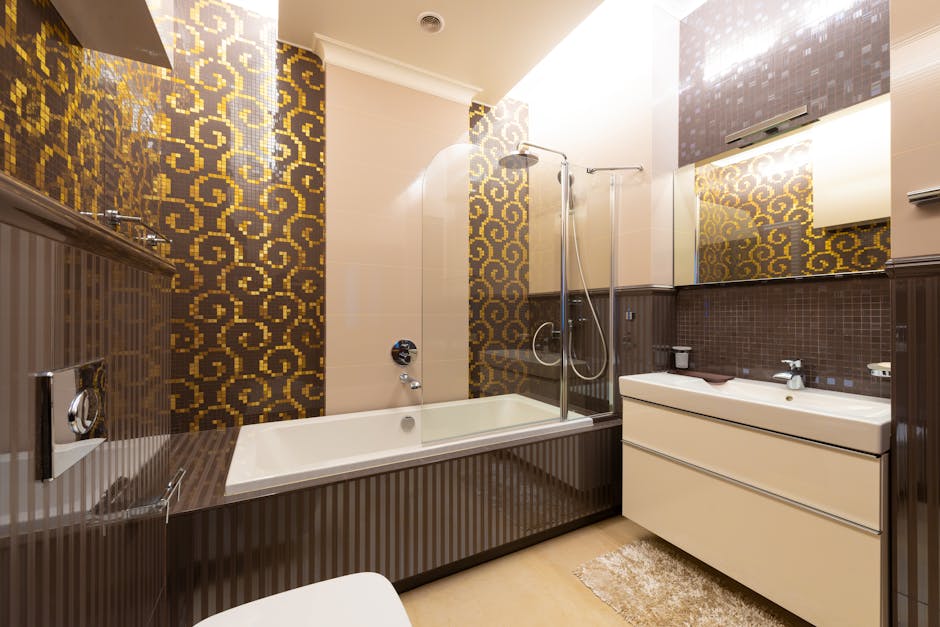
A bathroom tile calculator determines how many tiles and how much grout you need by calculating your bathroom’s square footage. Measure wall and floor dimensions, input them into the calculator, add 10–15% for waste, and it provides exact quantities for your project. (Related: Regional DIY project costs and calculator tools for UK home improvement hotspots) (Related: Complete Guide to Crown Molding Costs by Linear Foot in 2026) (Related: Energy Audit Costs: The Complete 2026 Guide to Professional Assessment ROI)
What Is a Bathroom Tile Calculator?
A bathroom tile calculator is a digital tool that takes your room measurements and tile dimensions, then outputs the total number of tiles and grout required to complete the job. Instead of guessing or doing error-prone math by hand, homeowners can enter length, width, and tile size to get reliable estimates in seconds.
These tools are especially useful because bathrooms involve multiple surfaces — floors, shower walls, backsplashes, and accent borders — each with different square footage totals. A dedicated tile square footage calculator accounts for all of these surfaces independently so nothing gets overlooked.
Beyond just counting tiles, a quality bathroom tile coverage calculator will factor in:
- Tile size and layout pattern (straight, diagonal, offset)
- Grout joint width
- Waste percentage for cuts and breakage
- Total bags of grout needed based on joint depth and width
How to Calculate Square Footage for Bathroom Tiles
How do you calculate square footage for bathroom tiles?
Calculating square footage for bathroom tiles is straightforward: multiply the length of each surface by its width to get area in square feet, then add all surfaces together. Subtract any fixed areas like cabinets or windows, then add 10–15% for waste. For example, a 5 ft × 8 ft bathroom floor equals 40 sq ft, plus waste gives you approximately 44–46 sq ft to order.
Here’s a step-by-step breakdown of the process:
- Measure each surface separately. Use a tape measure and record length and width in feet. Do floors and walls independently.
- Calculate individual areas. Multiply length × width for each surface. A shower wall that is 4 ft wide and 7 ft tall equals 28 sq ft.
- Subtract non-tiled areas. Remove doors, windows, and built-in fixtures from your totals.
- Add all surfaces together. This gives you gross square footage.
- Apply your waste factor. Add 10% for straight patterns, 15% for diagonal or complex patterns, and up to 20% for natural stone that has more variation and breakage.
Diagonal tile layouts require more cuts and therefore generate more waste, which is why estimating accurately from the start protects your budget. According to the EPA’s construction and demolition debris data, excess building materials — including tile off-cuts — are a significant contributor to construction waste, making accurate upfront estimation an environmentally responsible practice as well.
Understanding Grout Estimation and Coverage
How much grout do I need for bathroom tiles?
The amount of grout you need depends on tile size, grout joint width, tile thickness, and total square footage. A general grout quantity calculator formula multiplies the joint width by joint depth by the linear feet of joints per square foot of tile. For a standard 12×12 tile with a 3/16-inch joint, expect roughly 0.5 lbs of grout per square foot. Always round up to the nearest full bag.
Grout estimation catches many DIYers off guard. Unlike tiles — which you can count by area — grout volume depends on how many joints exist per square foot, which changes dramatically with tile size. Smaller mosaic tiles have far more grout joints per square foot than large-format 24×24 slabs.
Key variables that affect your grout estimator calculation:
- Tile size: Smaller tiles = more joints = more grout
- Joint width: Wider joints require significantly more grout by volume
- Tile thickness: Thicker tiles have deeper joints and need more grout to fill them
- Grout type: Sanded grout is used for joints wider than 1/8 inch; unsanded for narrower joints
Most grout manufacturers include coverage charts on their packaging, but using a grout quantity calculator before you shop ensures you buy enough to complete the project in one trip — and avoid the headache of a discontinued color being unavailable for a second purchase.
Common Mistakes When Calculating Tile Needs
Even careful planners make avoidable errors when estimating tile quantities. Here are the most common pitfalls and how to sidestep them:
- Forgetting to add waste. Ordering exactly the square footage you need guarantees you’ll run short. Cuts, breakage, and future repairs all require extra tile on hand.
- Measuring once. Always measure each dimension twice and use the average. A half-inch measurement error in a 10-foot room adds up across multiple walls.
- Ignoring tile orientation. Running a rectangular tile horizontally versus vertically changes your cut pattern and waste significantly.
- Mixing grout types. Using unsanded grout in wide joints causes cracking. Using sanded grout in narrow joints can scratch polished tile surfaces.
- Not accounting for dye lot variation. Tile from different production batches can vary in color. Order all tile from the same lot and keep extras from that lot for repairs.
- Skipping the trim and edge tiles. Bullnose tiles, border strips, and corner pieces are separate SKUs and need their own linear footage calculations.
Tips for Ordering Tile and Grout
Once your square footage is confirmed, use these ordering strategies to protect your project:
- Order 10–15% extra tile and store leftover tiles flat in a climate-controlled space. You’ll thank yourself if a tile cracks five years from now and the line has been discontinued.
- Buy all grout at once to ensure color consistency across bags from the same batch.
- Confirm return policies before ordering in bulk. Many tile retailers accept returns on unopened boxes, which reduces your risk of over-ordering.
- Use a floor area calculator for complex room shapes. L-shaped or irregularly shaped bathrooms benefit from breaking the floor into rectangular sections and calculating each separately.
- Account for mortar and backer board separately. These are not included in tile calculators but are equally important to estimate. Our flooring material calculator can help you think through the full list of materials needed for a floor installation.
Using the DIY Tile Calculator Tool
Ready to get your exact numbers? The tile calculator at DIYCalculator.net walks you through the process room by room. Enter your floor dimensions, then add each wall section individually. The tool calculates total square footage, applies your chosen waste percentage, and outputs the number of tile boxes to purchase based on the box coverage listed on your product.
The built-in grout estimator adjusts automatically when you enter your grout joint width and tile thickness, giving you a pounds-of-grout figure you can bring directly
- Digital Tile Cutter — Essential tool for cutting bathroom tiles to exact dimensions after calculating quantities needed
- Grout Sealer & Caulk Kit — Complements the calculator’s grout calculations by helping readers seal and finish their tile project professionally
- Tile Spacers & Installation Kit — Practical DIY tool that works alongside the calculator to ensure consistent grout spacing and professional-looking tile installation
Related: Free Patio Pavers Cost Calculator: Complete 2026 Guide
Related: Tile Calculator: Floors, Walls & Grout Planning
Related: Bathroom Tile Layout Guide: Calculating Cuts and Grout