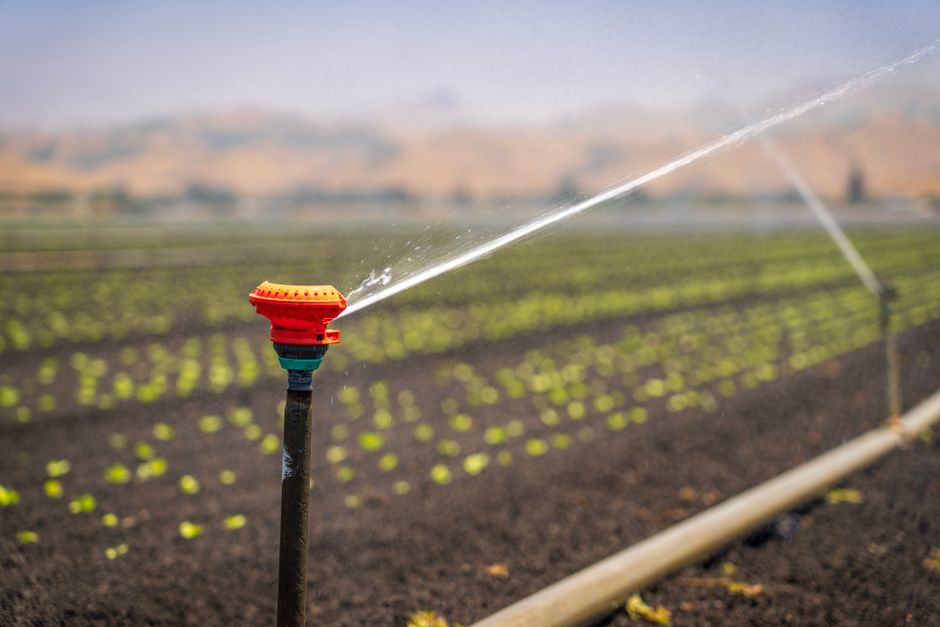
Drip irrigation systems typically cost $200–$1,000 for a DIY install, while sprinkler systems run $500–$3,500 depending on yard size. Professionally installed drip systems average $1,800, and sprinkler systems average $3,500. Your best choice depends on plant types, yard layout, and long-term water savings goals. (Related: DIY Tool Investment Calculator: Which Essential Tools to Buy vs. Borrow for Home Projects) (Related: Drywall Calculator: Estimate Sheets & Costs Accurately) (Related: How to Use a Mulch Calculator to Save Time and Money on Your Next Landscaping Project) (Related: DIY Home Improvement Cost Calculators for Beginner Projects) (Related: Mulch Calculator: How Much Mulch Do You Need?) (Related: Complete Tank vs Tankless Water Heater Cost Guide 2026)
Drip vs. Sprinkler: Breaking Down the Real Costs
When I started researching irrigation for my backyard garden beds, I had no idea how dramatically the numbers could swing. Let me walk you through what actually drives those price differences — because understanding the cost breakdown is how you make the smartest decision for your property.
Drip Irrigation Cost Factors
Drip systems deliver water directly to root zones through emitter lines and tubing, which makes them remarkably efficient but also more labor-intensive to plan and lay out. Here’s what you’re typically spending money on:
- Materials (DIY): $150–$500 for tubing, emitters, pressure regulators, and filters
- Timer/controller: $30–$150 for a basic programmable timer
- Professional installation: $1,200–$3,000 for a full garden system
- Per-zone expansion: $150–$400 per added zone
The big win with drip? Water savings. According to the EPA’s WaterSense program, drip irrigation can reduce outdoor water use by up to 50% compared to conventional sprinkler systems. That translates directly to lower utility bills year after year — which is exactly the kind of long-term math I love running.
Sprinkler System Cost Factors
In-ground sprinkler systems are the classic choice for lawns, and they’re priced accordingly. The costs here are driven heavily by the size of your coverage area and how many zones you need.
- Materials (DIY): $300–$1,000 depending on zone count and head types
- Professional installation per zone: $500–$1,000
- Average full-yard install: $2,500–$4,500 professionally done
- Smart controller upgrade: $150–$400
Trenching and pipe burial are the labor-intensive steps that drive professional costs higher. If your yard already has irrigation infrastructure, expansion runs significantly cheaper. Rotary heads, pop-up sprinklers, and matched precipitation rate nozzles all affect the per-head cost, with heads ranging from $2 to $15 each.
Which System Saves More Money Long-Term?
This is the question I obsessed over before my own installation, and honestly, the answer depends on what you’re watering.
When Drip Wins on Total Cost
Drip systems are the clear winner for vegetable gardens, raised beds, shrubs, and trees. Because water is delivered at soil level with minimal evaporation or overspray, the efficiency advantage compounds over time. A $500 DIY drip setup can pay for itself within two to three growing seasons in water savings alone in regions with tiered water pricing.
The EPA estimates that landscape irrigation accounts for nearly one-third of all residential water use in the United States — and a significant portion of that is waste from inefficient systems. Drip technology directly attacks that waste. You can use our water usage calculator to estimate exactly how much you’d save based on your current bill and irrigation habits.
When Sprinklers Make More Financial Sense
For large turf areas — lawns over 2,000 square feet — drip isn’t practical. Sprinkler systems provide uniform coverage that drip lines simply can’t replicate at scale. The upfront cost is higher, but the uniformity prevents dry patches, dead grass, and expensive lawn repair bills.
Upgrading to a smart sprinkler controller that uses weather data to skip cycles can recover a significant portion of your efficiency gap. Smart controllers paired with matched-precipitation rotary nozzles can bring water waste down considerably, narrowing the efficiency advantage drip systems hold.
Hybrid Systems: The Best of Both Worlds
Many homeowners are moving toward hybrid approaches — sprinklers on lawn zones and drip lines in garden beds, all managed by one multi-zone controller. Expect to pay $1,500–$4,000 professionally installed for a hybrid setup, but the water savings and plant health results tend to justify the investment within three to five years.
How to Use the Calculator to Plan Your Irrigation Budget
Before you call a contractor or order supplies, it’s worth building a concrete number to work from. Our home improvement cost calculator lets you input your yard’s square footage, zone count, and material preferences to generate a realistic project estimate.
Here’s how to get the most accurate result:
- Measure your coverage area — break your yard into zones by plant type (turf, beds, trees) and measure each separately.
- Count your zones — each area on a separate watering schedule needs its own zone and valve.
- Select your system type — input drip, sprinkler, or hybrid to generate the right cost range.
- Add controller and installation costs — don’t forget the timer, backflow preventer, and labor if you’re going professional.
- Compare DIY vs. pro totals — the calculator will show you the side-by-side difference so you can decide where your time is worth spending.
Running the numbers before you start is exactly the kind of move that saves you from mid-project surprises — trust me on that one.
Frequently Asked Questions
How long does a drip irrigation system last?
A quality drip system with UV-resistant tubing and brass emitters can last 10–15 years with proper seasonal maintenance. Flushing lines at the start and end of each season and replacing clogged emitters annually keeps the system running efficiently. Cheaper poly emitters may need replacement every 3–5 years.
Can I install a sprinkler system myself to save money?
Yes — DIY sprinkler installation is very feasible for handy homeowners. You’ll need to rent a pipe trencher ($100–$200/day), understand your water pressure (PSI) and flow rate (GPM), and pull a permit in most municipalities. DIY saves 40–60% over professional installation costs, making it one of the better high-value home improvement projects available.
Do irrigation systems increase home value?
In most markets, yes. Real estate data consistently shows that in-ground irrigation systems are a valued feature for buyers, particularly in regions with seasonal drought concerns. The return on investment varies, but a well-maintained system typically returns 50–80% of installation cost in resale value, while also protecting your landscaping investment throughout ownership.
- Drip Irrigation Kit — Directly supports DIY irrigation installation – readers planning $200-$1,000 projects need starter kits and components
- Sprinkler System Installation Tools — Essential for DIY sprinkler system setup; complements the guide’s cost-saving focus for readers choosing the DIY route
- Landscape Design Software — Helps readers plan yard layout and irrigation placement before installation, reducing mistakes and maximizing water savings
Related: Complete Guide to Drip vs Sprinkler Irrigation Costs in 2026