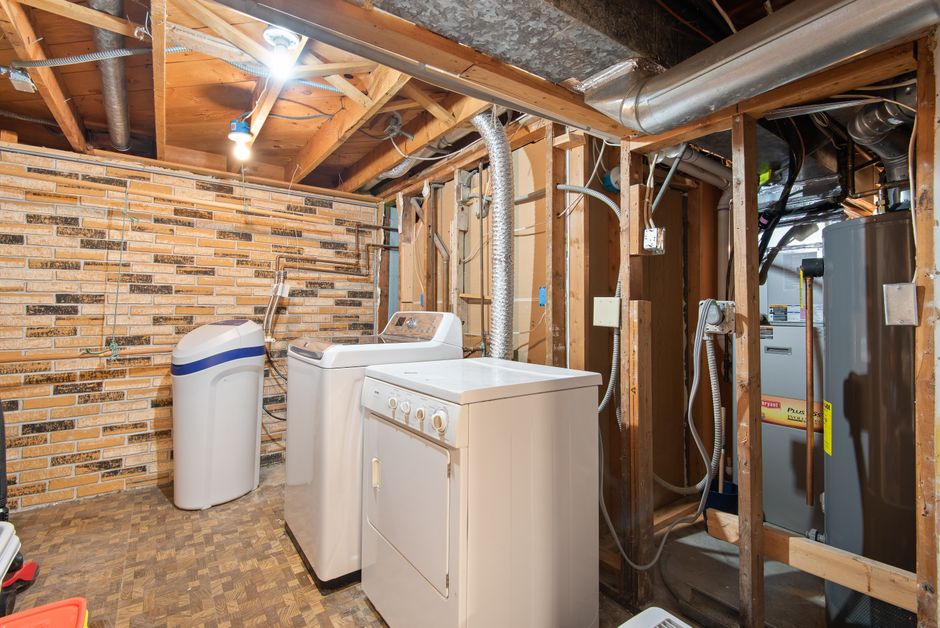
Replacing a water heater costs $800–$2,500 for a traditional tank unit or $1,500–$4,500 for a tankless system, including installation. Tank heaters are cheaper upfront but cost more to operate. Tankless units save $100–$200 annually on energy bills. Most homeowners break even on a tankless upgrade in 6–10 years. (Related: Complete Garage Epoxy Flooring Cost Guide for 2026) (Related: Cabinet Refacing vs Replacement: Complete Cost Guide 2026) (Related: 5 Essential Facts About Foundation Crack Repair Costs in 2026) (Related: Budget-friendly fall home improvement projects under $100 with cost calculators) (Related: Water Heater Replacement Costs: Complete Tank vs Tankless Guide 2026) (Related: Complete Guide to Garage Epoxy Flooring Cost in 2026)
Tank vs. Tankless: Breaking Down Every Cost
When I refinanced my student loans, I learned that small numbers compound into big savings over time. Water heaters work the exact same way — the purchase price is just the beginning of the story. Let me walk you through what actually drives your total cost over a 10–20 year ownership window.
Upfront Equipment and Installation Costs
Traditional tank water heaters (40–50 gallon) typically run $400–$900 for the unit, with installation adding $300–$600. That puts your all-in cost between $700 and $1,500 for most standard homes.
Tankless water heaters are a different animal. A quality gas-powered tankless unit costs $700–$1,500 for the equipment alone. Installation — which often requires upgrading gas lines or electrical panels — adds another $500–$1,500. Whole-home electric tankless units can push installation costs even higher due to panel upgrade requirements.
Annual Operating Costs: Where the Real Difference Lives
Here’s where tankless systems start clawing back that price gap. According to the U.S. Department of Energy, tankless water heaters are 24–34% more energy efficient than conventional storage tank heaters for homes using 41 gallons or less of hot water daily. For homes using more, they’re still 8–14% more efficient.
On average, a tank heater costs $400–$600 per year to operate. A tankless unit typically runs $200–$400 annually. That $150–$200 yearly savings sounds modest, but over a 15-year lifespan, you’re looking at $2,250–$3,000 in cumulative savings.
Lifespan and Long-Term Value
A traditional tank heater lasts 8–12 years. A well-maintained tankless system can last 20+ years. That means over a 20-year period, you might replace a tank unit twice — doubling your upfront costs — while a tankless unit keeps humming along. Factor in energy savings, and the total cost of ownership often favors tankless by $2,000–$4,000 over two decades.
Hidden Costs Most Homeowners Miss Completely
I’m the person who reads every line of a loan refinancing offer, so naturally I dug into water heater costs the same way. These are the expenses that catch people off guard.
Permits and Code Compliance
Most municipalities require permits for water heater replacement, running $50–$200. Switching from tank to tankless almost always triggers an inspection. If your existing gas or electrical infrastructure doesn’t meet current code, you’ll need upgrades before the new unit can be installed — sometimes adding $500–$2,000 to your project.
Water Quality and Maintenance Costs
Tankless systems are particularly sensitive to hard water. If you’re in a hard water area, you may need to flush the system annually with a descaling solution — a $50–$150 service call. Skipping this step can void your warranty and shorten the unit’s lifespan dramatically. Traditional tank heaters need an anode rod replaced every 3–5 years (roughly $20–$50 DIY) to prevent corrosion.
Energy Source Matters More Than You Think
Gas tankless heaters deliver stronger ROI than electric models in most regions because natural gas remains cheaper per BTU than electricity in the majority of U.S. markets. However, if your home runs on electric heat pump water heaters — which the EPA’s WaterSense program recognizes as highly efficient — you may find that a heat pump water heater bridges the gap between tank convenience and tankless efficiency at a lower installation cost.
Rebates and Tax Credits That Offset Costs
Don’t pay full price without checking incentives first. The Inflation Reduction Act extended tax credits covering 30% of the cost of qualifying heat pump water heaters (up to $2,000). Many utility companies also offer rebates of $100–$500 for switching to energy-efficient models. These credits can dramatically shrink your effective upfront investment and accelerate your break-even timeline.
How to Use the Calculator to Find Your Break-Even Point
Crunching these numbers manually is tedious — I know because I’ve done it on a legal pad, and it’s not a great Saturday afternoon activity. The smarter move is using our home improvement cost calculator to model your specific situation with your local energy rates, household size, and budget.
For an even more detailed energy savings projection, plug your current and projected annual usage into our electricity cost calculator to see exactly how much switching to a tankless or heat pump unit would save you each month based on your utility rates.
Here’s how to get the most accurate results:
- Gather your last 12 months of gas or electric bills to find your true average monthly cost
- Note your current water heater’s age and fuel type
- Input both the tank and tankless installed costs from contractor quotes
- Factor in any rebates or tax credits you qualify for
- Compare the total cost of ownership at 5, 10, and 15 years
Running both scenarios side by side gives you a clear, data-backed decision instead of a gut feeling.
Frequently Asked Questions
Is tankless always the better financial choice?
Not automatically. If you plan to sell your home within 5 years, the upfront premium for tankless may not be fully recouped. For long-term homeowners with high hot water usage, tankless or heat pump water heaters almost always win on total cost of ownership over 10+ years.
How much does it cost to switch from electric tank to gas tankless?
Switching fuel types is the most expensive conversion. Running a new gas line adds $300–$800, and you’ll still need the tankless unit and standard installation. Budget $2,500–$5,000 total for this type of full conversion. Get at least three contractor quotes before committing.
What size tankless water heater do I need for a family of four?
A family of four typically needs a unit with a flow rate of 7–10 gallons per minute (GPM). Size is determined by the number of simultaneous hot water demands — two showers running at once plus a dishwasher requires a higher GPM than a smaller household. Always size up slightly to avoid cold water surprises during peak usage times.
- Tankless Water Heater (Rinnai or Navien) — Direct product match for readers comparing tankless vs tank options and calculating ROI on upgrades
- Digital Water Heater Thermometer — Helps homeowners monitor energy efficiency and temperature settings to maximize savings discussed in the post
- Home Energy Audit Kit / Thermal Imaging Camera — Enables readers to assess current water heater efficiency and identify energy waste before making replacement decisions
See also: DIY Home Improvement Cost Calculators for Beginner Projects
See also: Mulch Calculator: How Much Mulch Do You Need?
See also: Complete Guide to Fireplace Installation Costs in 2026
See also: Complete Guide to Countertop Installation Costs in 2026
See also: DIY Tool Investment Calculator: Which Essential Tools to Buy vs. Borrow for Home Projects
See also: Drywall Calculator: Estimate Sheets & Costs Accurately