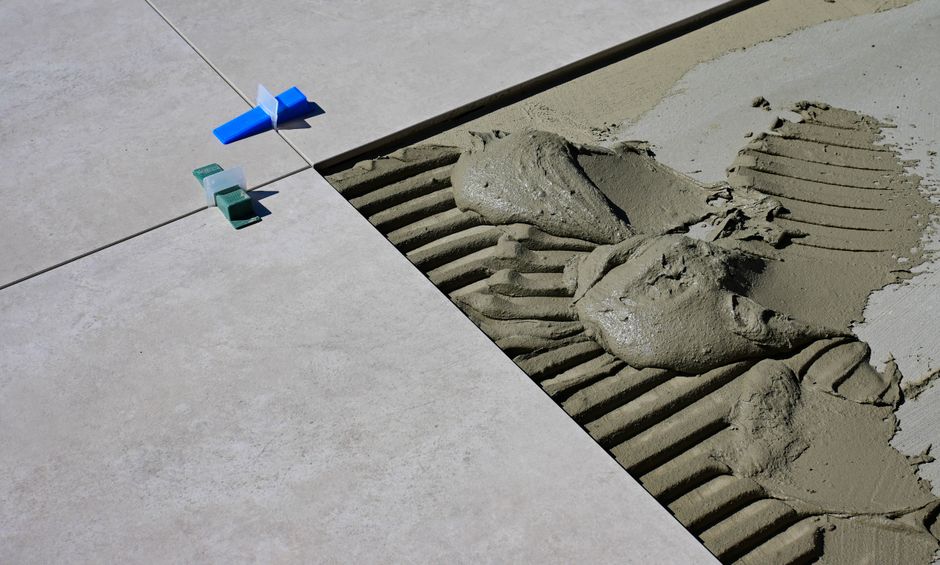
Ceramic tile costs $3–10 per square foot, porcelain runs $5–20, and natural stone ranges $10–50+. Installation adds $8–20 per square foot depending on complexity, labor rates, and regional factors. Total project costs typically land between $11 and $70 per square foot, all-in. (Related: DIY Tool Investment Calculator: Which Essential Tools to Buy vs. Borrow for Home Projects) (Related: Drywall Calculator: Estimate Sheets & Costs Accurately) (Related: How to Use a Mulch Calculator to Save Time and Money on Your Next Landscaping Project) (Related: DIY Home Improvement Cost Calculators for Beginner Projects) (Related: Mulch Calculator: How Much Mulch Do You Need?) (Related: Complete Tank vs Tankless Water Heater Cost Guide 2026)
Ceramic Tile Flooring Costs
Ceramic tile remains the most budget-friendly tile flooring option on the market. Made from natural clay fired at lower temperatures than porcelain, ceramic is softer and easier to cut — which keeps both material and labor costs down.
Here’s what you can expect to pay for ceramic tile materials alone:
- Entry-level ceramic: $3–5 per sq ft (standard 12×12 field tiles)
- Mid-range ceramic: $5–7 per sq ft (larger formats, textured finishes)
- Designer ceramic: $7–10 per sq ft (hand-painted, decorative, or oversized tiles)
Ceramic works well in low-to-moderate traffic areas like bathrooms, laundry rooms, and mudrooms. Its glaze layer protects against stains and moisture, but the softer body means it chips more easily than porcelain under heavy impact. For most standard residential bathrooms under 100 square feet, ceramic is the go-to choice for homeowners watching their budget.
What is the cheapest tile flooring option?
Ceramic tile is consistently the cheapest tile flooring option, with basic materials starting around $3 per square foot. When you factor in easier cutting (less labor time) and standard grout spacing requirements, total installed costs for ceramic typically run $11–$18 per square foot — roughly 30–40% less than a comparable porcelain installation.
Porcelain Tile Flooring Costs
Porcelain tile is fired at higher temperatures and pressed at greater density than ceramic, producing a harder, less porous product. That durability comes at a price premium, but for high-traffic areas or outdoor applications, it often justifies the extra spend.
Porcelain material costs break down as follows:
- Standard porcelain: $5–9 per sq ft (through-body color, suitable for floors and walls)
- Wood-look porcelain planks: $7–13 per sq ft (popular in living rooms and kitchens)
- Large-format porcelain (24×24 and up): $10–20 per sq ft (requires more skilled installation)
One important factor in the ceramic vs porcelain tile cost comparison: large-format porcelain slabs require a flatter subfloor, specialty adhesives, and more installer skill — all of which push labor costs higher. According to the EPA’s guidance on indoor air quality, low-VOC tile adhesives and grouts are worth specifying, particularly in enclosed spaces with limited ventilation.
Porcelain’s water absorption rate is less than 0.5% (per ANSI A137.1 standards), making it the correct specification for wet areas, outdoor patios, and commercial floors where ceramic would deteriorate over time.
Natural Stone Tile Flooring Costs
Natural stone tile installation price varies more widely than any other category because you’re working with a material that literally comes from the ground — quarrying location, rarity of the stone, and slab thickness all drive cost differences that manufactured tile simply doesn’t have.
Typical material costs by stone type:
- Travertine: $10–20 per sq ft
- Slate: $10–18 per sq ft
- Limestone: $12–22 per sq ft
- Marble: $15–35 per sq ft
- Quartzite: $20–50+ per sq ft
Natural stone requires sealing before grout installation and periodic resealing (typically every 1–3 years depending on traffic and stone porosity). Budget $0.50–$1.50 per square foot for initial sealer application as part of your project cost. Stone floors also demand a structurally sound, deflection-free subfloor — the industry standard is L/360 deflection or better — because natural stone has zero flex tolerance and will crack under subfloor movement.
For help estimating how much does tile flooring cost across different stone varieties in your specific room dimensions, use our flooring calculator to generate a quick square footage and material estimate before calling suppliers.
Installation Costs Across Tile Types
Material cost is only half the equation. Installation labor typically represents 50–65% of total project cost for tile work, especially when subfloor prep, waterproofing membranes, or pattern layouts are involved.
Here’s a realistic installation cost breakdown by tile type:
- Ceramic tile installation: $8–12 per sq ft labor
- Porcelain tile installation: $10–15 per sq ft labor
- Natural stone installation: $13–20 per sq ft labor
Additional cost factors that affect every tile type:
- Subfloor leveling: $1–3 per sq ft if self-leveling compound is needed
- Uncoupling membrane (e.g., Schluter DITRA): $1.50–$2.50 per sq ft
- Diagonal or herringbone layout: Add 15–20% to labor cost due to increased cuts and waste
- Tile removal and disposal: $2–5 per sq ft for existing flooring demo
How much does it cost to install tile flooring per square foot?
All-in installation cost (materials plus labor) runs $11–$22 per square foot for ceramic, $15–$35 for porcelain, and $23–$70+ for natural stone. A standard 200 sq ft kitchen floor in ceramic will typically cost $2,200–$4,400 installed. The same space in marble could run $4,600–$14,000 or more depending on stone selection and installation complexity.
Tile Flooring Cost Calculator
Manual estimates are a solid starting point, but room shape, doorways, waste factors, and grout joint sizing all affect your final material order. Overordering by 10% is the standard recommendation for straight-lay patterns; bump that to 15% for diagonal layouts to account for additional cut waste.
Use our tile calculator to enter your exact room dimensions, choose your tile size, and get an accurate square footage count with waste factor built in. This prevents both costly material shortages mid-project and unnecessary overstock that’s difficult to return.
For projects involving multiple rooms or complex bathroom layouts, running each space as a separate calculation and adding totals gives you better accuracy than one large combined estimate.
Frequently Asked Questions
What is the cheapest tile flooring option
Recommended Resources:
- Tile Cutter and Installation Kit — Essential tools for DIY tile flooring installation, directly supports readers planning to cut costs with self-installation
- Tile Spacers and Grout Float Set — Critical supplies for achieving professional tile layout spacing and grouting, practical for DIY project execution
- Wet Saw for Tile Cutting — High-value tool investment for precision cutting of ceramic, porcelain, and stone tiles mentioned in cost breakdown
- Tile Cutter and Installation Kit — Essential tools for DIY tile flooring installation, directly supports readers planning to cut costs with self-installation
- Tile Spacers and Grout Float Set — Critical supplies for achieving professional tile layout spacing and grouting, practical for DIY project execution
- Wet Saw for Tile Cutting — High-value tool investment for precision cutting of ceramic, porcelain, and stone tiles mentioned in cost breakdown
Related: Complete Tile Flooring Cost Breakdown: Ceramic vs Porcelain vs Stone 2026
Related: Complete Guide to Garage Epoxy Flooring Cost in 2026