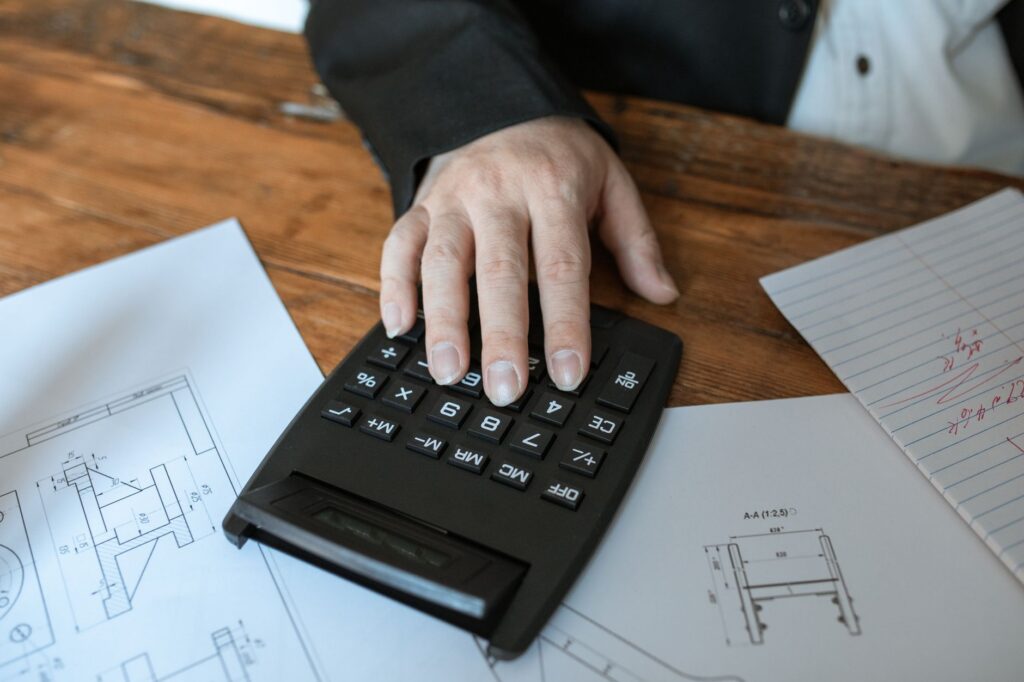
Why the DIY Calculator Is Having Its Moment in 2026
Home improvement costs have climbed steadily over the past few years, and homeowners are more cost-conscious than ever. That’s a big reason why searches for “diy calculator” have surged 123% in just the past week alone, reaching a Google Trends score of 58 out of 100. People aren’t just picking up hammers on a whim anymore — they’re doing the math first. A DIY calculator helps you figure out whether tackling a project yourself actually saves money compared to hiring a contractor, and by how much. (Related: DIY Tool Investment Calculator: Which Essential Tools to Buy vs. Borrow for Home Projects) (Related: Drywall Calculator: Estimate Sheets & Costs Accurately) (Related: Complete Guide to Attic Insulation Costs and R-Values in 2026) (Related: DIY Home Improvement Cost Calculators for Beginner Projects) (Related: Mulch Calculator: How Much Mulch Do You Need?) (Related: Complete Tank vs Tankless Water Heater Cost Guide 2026)
Whether you’re planning to retile a bathroom, install hardwood flooring, build a deck, or repaint your entire interior, the numbers can vary wildly depending on materials, square footage, labor rates in your region, and your own skill level. A reliable DIY calculator takes those variables and turns them into clear, actionable cost estimates so you can plan your budget with confidence rather than guesswork.
What a DIY Calculator Actually Does
At its core, a DIY calculator is a digital tool that computes estimated project costs based on inputs you provide. You enter details like room dimensions, material type, quantity needed, and your zip code or region, and the calculator outputs a realistic cost range for completing the project yourself. Many advanced calculators also compare that figure against the average professional labor cost for the same job, giving you a side-by-side savings comparison.
For example, if you’re installing 400 square feet of laminate flooring, a good DIY calculator might estimate your material costs between $800 and $1,400 depending on the laminate grade you choose, plus tool rental fees of roughly $50 to $120. It would then compare that to a contractor’s typical rate of $3 to $5 per square foot for labor alone — potentially saving you $1,200 to $2,000 on a single project. That kind of clarity makes it much easier to prioritize which projects are worth your weekend and which ones are better left to the pros.
Some calculators also factor in waste percentage. Most flooring and tile projects require you to order 10% to 15% more material than your exact square footage to account for cuts, breakage, and pattern matching. Missing that detail can leave you running back to the hardware store mid-project — an annoying and sometimes expensive mistake.
The Most Common Projects People Use a DIY Calculator For
Homeowners reach for a DIY calculator most often when facing projects with a lot of moving parts. Here are some of the top use cases and the kinds of numbers you can expect to work with:
Deck building is one of the most popular DIY projects, with materials for a standard 12×16-foot pressure-treated wood deck typically running $1,500 to $3,000. Professional installation for the same deck can cost $8,000 to $15,000 or more, making DIY savings substantial — but only if you have the time and skill to do it safely.
Interior painting is among the most beginner-friendly projects. A 2,000-square-foot home interior might require 10 to 14 gallons of paint at $30 to $60 per gallon, plus rollers, tape, and drop cloths — totaling around $400 to $900. Hiring painters for the same job often costs $3,000 to $6,000 in most U.S. markets.
Bathroom tile installation and kitchen backsplash projects are also frequent calculator queries. A 50-square-foot backsplash might cost $150 to $500 in tile plus $50 to $100 in adhesive, grout, and tools, while professional tile setters charge $5 to $15 per square foot just for labor.
Using our free DIY calculator before you buy a single supply can save you from both overspending and under-budgeting on any of these projects.
How to Get the Most Accurate Results From a DIY Calculator
The accuracy of any calculator depends entirely on the quality of the inputs you provide. Here’s a step-by-step approach to getting results you can actually rely on:
Step 1: Measure twice. Use a tape measure to get precise dimensions of the area you’re working on. For irregular rooms, break the space into rectangles, calculate each section separately, and add them together.
Step 2: Select the right material grade. Most calculators offer options ranging from budget to premium. Don’t just default to the cheapest option — consider durability and long-term value, especially for high-traffic areas like kitchens and hallways.
Step 3: Account for waste. Add a 10% buffer for most flooring and tile projects. For diagonal tile patterns or complex cuts, bump that up to 15%.
Step 4: Include all costs. Don’t forget underlayment, adhesives, fasteners, primer, or rental tools. These “secondary” costs can easily add 20% to 30% to your total material bill if you’re not tracking them.
Step 5: Compare the DIY total to professional quotes. Get at least two contractor quotes and use the calculator’s comparison feature to see your real savings. Sometimes the gap is smaller than expected once you factor in your time, tool purchases, and the learning curve.
Use Our Free DIY Calculator
With DIY project interest hitting new highs in 2026, now is the perfect time to run your numbers before prices and demand shift further. Head to diycalculator.net and enter your project details to instantly receive outputs including exact dollar-amount cost estimates, percentage savings compared to hiring a professional, material quantity breakdowns, and side-by-side comparisons of budget versus premium material options. The calculator updates its labor cost benchmarks regularly to reflect current regional rates, so the figures you get are relevant to today’s market — not last year’s averages. Don’t start buying materials until you’ve seen your personalized cost estimate.
Frequently Asked Questions
How accurate is a DIY calculator for estimating project costs?
A well-built DIY calculator can typically estimate costs within 10% to 20% of your actual spend, provided you input accurate measurements and select appropriate material grades. Accuracy improves when you include secondary costs like adhesives, fasteners, and tool rentals. Always use the estimate as a planning baseline and get real material quotes from local suppliers to refine the number.
Can a DIY calculator tell me if a project is beyond my skill level?
Some calculators include skill-level indicators that flag projects — like electrical panel upgrades or load-bearing wall removal — as high-risk for DIYers. These tools often recommend professional consultation for jobs that carry safety or code compliance implications. Even if the cost savings look attractive, always consider permitting requirements and potential liability before proceeding.
Are DIY calculators free to use?
Most reputable DIY calculators, including the one at diycalculator.net, are completely free to use with no registration required. You simply input your project details and receive instant cost estimates and comparisons. Some premium platforms offer more detailed reporting or contractor matching services for a fee, but the core calculation functionality is typically available at no cost.
Does a DIY calculator work for both indoor and outdoor projects?
Yes — quality DIY calculators cover a wide range of project types including flooring, painting, tiling, decking, fencing, roofing, and landscaping. Outdoor projects often involve additional material considerations like weather resistance ratings and ground preparation costs, which a good calculator will prompt you to include. Always specify whether your project is interior or exterior so the tool can apply the correct material assumptions.
How often are DIY calculator cost databases updated?
The best DIY calculators update their material and labor cost databases quarterly or more frequently to reflect market changes in lumber, tile, paint, and regional labor rates. This matters because material costs can fluctuate 15% to 30% year over year. Always check when a calculator’s data was last updated before relying on its outputs for a major budgeting decision.
Conclusion
The surge in DIY calculator searches in 2026 reflects something real: homeowners want to make smarter, more informed decisions before they invest their time and money into home improvement projects. A good DIY calculator removes the guesswork, replaces it with data, and helps you understand exactly where your money is going — and where you can save it. From a $400 painting weekend to a $3,000 deck build, knowing your numbers upfront is the difference between a project that delivers value and one that blows your budget. Take five minutes to run your next project through a calculator before you ever set foot in a hardware store. Your wallet will thank you.
- Digital Tape Measure with Bluetooth — Pairs perfectly with DIY calculators for accurate measurements; homeowners planning projects need precise tools to input into calculators
- Project Management Software (Microsoft Project or Asana) — Complements cost-conscious DIY planning; helps organize budgets, timelines, and materials calculated from DIY calculator results
- Home Improvement Cost Tracking App or Spreadsheet Templates — Directly supports the budget-conscious theme; helps homeowners record and track costs alongside calculator estimates for actual vs. planned spending
See also: How to Use a Mulch Calculator to Save Time and Money on Your Next Landscaping Project
See also: Concrete Calculator: How to Calculate Concrete Accurately for Any Project
Related: DIY Calculator: The Ultimate Guide to Estimating Home Improvement Costs and Materials
Related: DIY Calculator: The Ultimate Guide to Home Improvement Estimation Tools
Related: Summer Home Improvement Project Cost Calculator - ROI Analysis by Project Type