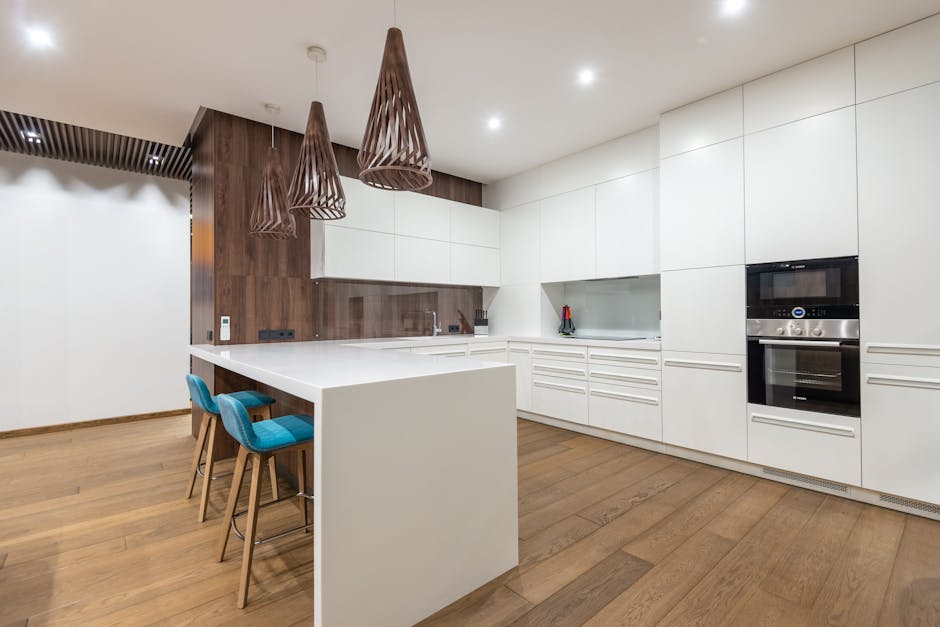
Countertop installation costs vary widely by material: laminate runs $15–$40 per square foot installed, quartz costs $70–$150 per square foot, and granite ranges from $60–$175 per square foot depending on slab grade and complexity. For a standard 30-square-foot kitchen, expect to pay $450–$1,200 for laminate, $2,100–$4,500 for quartz, and $1,800–$5,250 for granite. (Related: DIY Home Improvement Cost Calculators for Beginner Projects) (Related: Mulch Calculator: How Much Mulch Do You Need?) (Related: Complete Tank vs Tankless Water Heater Cost Guide 2026) (Related: Budget-friendly fall home improvement projects under $100 with cost calculators) (Related: Water Heater Replacement Costs: Complete Tank vs Tankless Guide 2026) (Related: Complete Guide to Garage Epoxy Flooring Cost in 2026)
Granite vs. Quartz vs. Laminate: What You’re Actually Paying For
When I was renovating my kitchen last year, I spent weeks comparing countertop quotes and realized the sticker price is only part of the story. Let me break down exactly where your money goes with each material.
Granite Countertops
Granite is a natural stone, meaning every slab is unique — and that uniqueness comes with pricing complexity. Here’s what drives the cost:
- Material cost: $40–$100 per square foot for the slab
- Fabrication (cutting, edging, polishing): $10–$30 per square foot
- Installation labor: $10–$45 per square foot
- Sealing: $0.50–$2 per square foot (must be reapplied every 1–3 years)
Exotic granite varieties like Blue Bahia or Antique Brown can push material costs past $150 per square foot. Standard Level 1 granite (think basic black or tan speckle) stays on the lower end. Always ask your fabricator which level the slab falls into before committing.
Quartz Countertops
Quartz is engineered — roughly 90–95% ground natural quartz bound with polymer resins. Because it’s manufactured, consistency is higher and you won’t face the same sealing maintenance as granite.
- Material cost: $50–$120 per square foot
- Fabrication: $10–$25 per square foot
- Installation labor: $10–$30 per square foot
- No sealing required — a genuine long-term savings
Premium designer quartz from high-end lines can hit $200 per square foot installed, but mid-range options offer excellent durability without that luxury markup. Quartz is also non-porous, making it naturally resistant to bacteria — a point worth noting for households with children.
Laminate Countertops
Laminate has come a long way. Modern high-definition laminate convincingly mimics marble, butcher block, and even concrete at a fraction of the cost.
- Material cost: $8–$20 per square foot
- Fabrication: $5–$10 per square foot
- Installation labor: $2–$10 per square foot
Laminate is the only countertop category where confident DIYers can realistically self-install, potentially cutting costs by 30–50%. The tradeoff is durability — laminate can chip at seams and doesn’t handle heat directly well. Still, for rentals, budget renovations, or transitional spaces, it’s genuinely smart value.
Hidden Costs That Blow Up Your Budget
The quotes you get from contractors rarely include everything. Here are the line items that surprised me most during my own renovation research:
Demolition and Removal
Tearing out existing countertops typically costs $150–$400 depending on material and adhesion. If tile backsplash is attached to the countertop, add another $100–$300 for backsplash repair or replacement.
Plumbing Disconnection and Reconnection
Your plumber needs to disconnect the sink and faucet before installation and reconnect after. Budget $150–$300 for this service unless your contractor includes it.
Edge Profile Upgrades
A basic eased edge is usually included in quotes. Upgrading to ogee, waterfall, or full bullnose profiles can add $5–$20 per linear foot. On a 20-linear-foot kitchen, that’s $100–$400 in profile upgrades alone.
Cutouts for Sinks and Cooktops
Each cutout adds $100–$250 to fabrication costs. Undermount sinks require extra precision and finishing work, typically landing toward the higher end.
Environmental Disposal
Old countertop materials, especially resin-based products, may require specific disposal methods. Check your local waste authority’s guidelines, as improper disposal of certain composite materials may conflict with environmental standards outlined by the EPA’s sustainable materials management guidelines.
How to Use the Calculator to Estimate Your Project
Before calling a single contractor, run your numbers. I cannot overstate how much leverage you gain walking into quotes already knowing your target range. Use the home improvement cost calculator on DIYCalculator.net to plug in your square footage and material choice to generate a realistic baseline estimate.
Here’s how to get the most accurate result:
- Measure carefully: Measure countertop length × depth in inches, then convert to square feet. Don’t forget islands and peninsulas as separate measurements.
- Add 10% waste factor: Fabricators always account for cuts, seams, and material waste. Input your actual square footage, then mentally add 10%.
- Select your material tier: Choose mid-grade pricing unless you’re certain you want premium slabs.
- Add line items separately: Use the square footage calculator to accurately measure irregular kitchen layouts before inputting values.
Having a calculated estimate in hand typically saves homeowners 8–15% on final quotes simply by demonstrating you’ve done your research.
Frequently Asked Questions
Is quartz or granite better for resale value?
Both granite and quartz are considered premium upgrades that positively affect resale value. Quartz has gained preference among buyers in newer construction due to its lower maintenance requirements. Granite remains highly desirable in traditional and luxury home markets. Neither has a clear universal advantage — your local market and home style matter more than material alone.
Can I install laminate countertops myself to save money?
Yes, laminate is the most DIY-friendly countertop option. Pre-formed (post-form) laminate countertops with integrated backsplash are sold at home improvement stores and can be cut with a circular saw. Expect to save $200–$600 on a standard kitchen by self-installing. However, custom laminate with precision cutouts for undermount sinks still requires professional fabrication.
How long do each of these countertop materials last?
With proper care, granite and quartz both last 25–100+ years
- Quartz Countertop Sealer & Polish Kit — Post discusses quartz as a premium countertop option; homeowners installing quartz will need maintenance products to protect their investment
- Countertop Measuring Tape & Installation Tools Set — DIY enthusiasts reading cost guides often attempt measurements themselves; this tool set helps with accurate measurements before professional installation
- Granite & Marble Cleaner — Post highlights granite as a popular countertop choice; readers will need specialized cleaning products to maintain granite and quartz surfaces
Related: The Complete Guide to Gutter Installation and Repair Costs in 2026
Related: Ceramic Tile Installation Costs