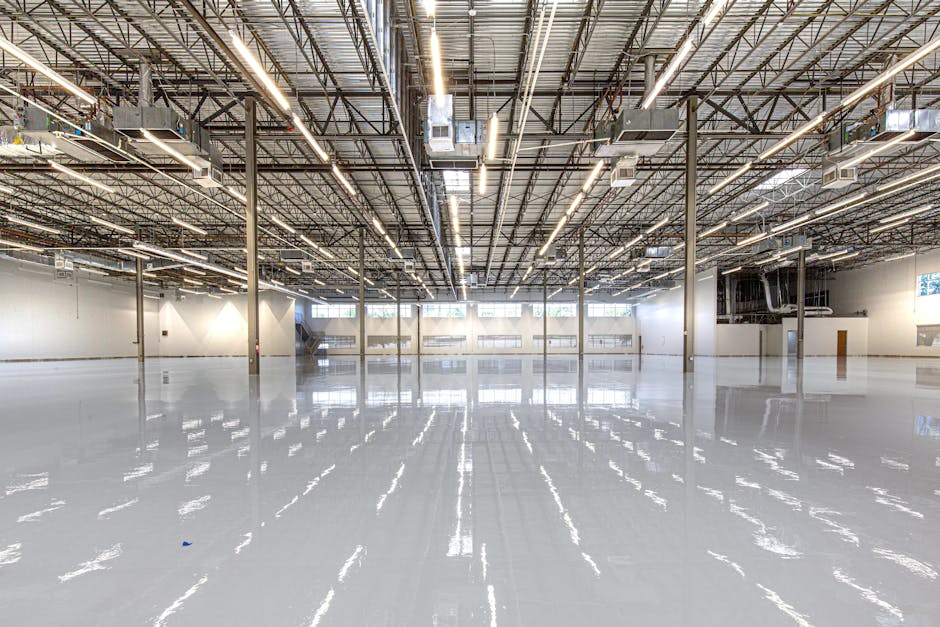
Garage epoxy flooring typically costs $3–12 per square foot for materials, with total project costs ranging from $400–2,400 for a standard two-car garage. This comprehensive guide covers preparation steps, material requirements, application techniques, and cost-saving tips for homeowners tackling this popular DIY improvement. (Related: Complete Insulation Types Comparison: Fiberglass vs Cellulose vs Spray Foam 2026) (Related: Crown Molding Cost Per Linear Foot: Complete 2026 Guide) (Related: Complete Guide to Fireplace Installation Costs in 2026) (Related: DIY Home Improvement Projects to Replace Expensive Professional Services) (Related: Gravel Calculator: Estimate Yards & Tons for Any Project) (Related: DIY Calculator: The Ultimate Guide to Estimating Home Improvement Costs and Materials)
Garage Epoxy Flooring Cost Breakdown
How much does epoxy garage flooring cost to install?
Understanding the full cost picture requires breaking down both materials and labor. For a standard 400–480 square foot two-car garage, here’s what you can expect to spend:
- DIY materials only: $400–$900 (epoxy kit, etching solution, tools)
- Professional installation: $1,200–$2,400 including labor
- Epoxy cost per square foot (materials): $3–$5 for water-based, $6–$12 for solvent-based or 100% solid epoxy
- Concrete etching/prep chemicals: $30–$80
- Decorative color flakes (optional): $20–$60
- Polyurethane topcoat (optional): $50–$120
The biggest variable in epoxy garage floor cost per square foot is the epoxy type. Water-based kits from home improvement stores are affordable and beginner-friendly but may require recoating within 3–5 years. Solvent-based and 100% solid epoxy products deliver a thicker, more durable finish and are worth the price premium for high-traffic garages.
Labor costs from professional installers typically run $2–$7 per square foot, which explains the wide gap between DIY and pro pricing. If your concrete is in poor condition with significant cracks or staining, factor in an additional $100–$300 for repairs before any epoxy goes down.
Use our epoxy floor calculator to generate a precise material estimate based on your garage dimensions before purchasing supplies.
Materials and Tools Needed for Preparation
Proper DIY garage epoxy flooring preparation accounts for roughly 70% of a successful outcome. Skipping or rushing this phase is the single most common reason epoxy peels within the first year. According to the EPA’s Safer Choice program, many concrete etching and cleaning products contain volatile organic compounds (VOCs), so ventilation and personal protective equipment are non-negotiable.
Materials checklist:
- Concrete degreaser or TSP cleaner
- Muriatic acid or concrete etching solution
- Epoxy primer (for porous or previously painted concrete)
- Two-part epoxy floor kit (base coat + activator)
- Color flake broadcast chips (optional)
- Polyurethane or polyaspartic topcoat (optional)
Tools checklist:
- Stiff-bristle scrub brush or floor buffer with scrubbing pad
- Shop vacuum and wet/dry vacuum
- Paint roller with 3/8″ nap covers and extension pole
- Paintbrush for edges and corners
- Spiked roller shoes (for walking on wet epoxy)
- Safety goggles, chemical-resistant gloves, respirator mask
The water drop test is your best diagnostic tool before buying a single gallon of epoxy. Drop a tablespoon of water on the concrete — if it soaks in within 5 minutes, your concrete is ready for etching. If it beads up, the surface has a sealer or hardener that needs mechanical grinding before epoxy will bond properly.
Step-by-Step Application Guide
Following a structured epoxy floor installation guide ensures consistent coverage and a professional-looking result. Allow at least a full weekend — most two-part epoxy systems require 24 hours of cure time between coats.
- Deep clean the floor. Remove all oil stains using a concrete degreaser. Scrub aggressively and rinse thoroughly. Allow to dry completely (24 hours minimum).
- Etch the concrete. Mix muriatic acid solution per label directions and apply across the entire floor. This opens the concrete pores for better epoxy adhesion. Rinse thoroughly and neutralize with a baking soda solution. Vacuum up all residue.
- Repair cracks. Fill hairline cracks with a concrete crack filler and allow to cure before proceeding. Larger structural cracks may need professional evaluation.
- Mix the epoxy. Combine Part A (resin) and Part B (hardener) according to manufacturer ratios. Most products require a 5–10 minute induction period before application begins. Work in batches — mixed epoxy typically has a 20–30 minute pot life.
- Apply the base coat. Cut in edges with a brush, then roll the epoxy in 10-foot sections using a 3/8″ nap roller. Work quickly and maintain a wet edge to avoid lap marks.
- Broadcast color flakes (optional). Toss decorative flakes randomly into the wet base coat immediately after rolling each section.
- Apply topcoat. After the base coat cures (typically 16–24 hours), apply a polyurethane or polyaspartic topcoat for added durability and UV resistance.
- Cure before use. Allow 72 hours before light foot traffic and 7 days before parking vehicles on the surface.
DIY vs Professional Installation
Can you apply epoxy flooring yourself?
Yes — DIY epoxy installation is well within reach for most homeowners with basic painting experience. The primary risks are inadequate surface preparation and working too slowly once epoxy is mixed. If your garage concrete is structurally sound and free of widespread moisture issues, a DIY approach can save $600–$1,500 compared to professional installation.
Consider hiring a professional if:
- Your concrete has significant moisture vapor transmission (MVT issues)
- There are widespread cracks or surface spalling
- You want a 100% solids commercial-grade coating with a thickness warranty
- The garage is attached to living space and low VOC compliance is a priority
For most homeowners with a sound concrete slab, DIY is a smart investment. Use our concrete repair cost calculator to estimate prep costs before deciding which route makes the most financial sense for your project.
Epoxy Floor Durability and Maintenance
A properly applied epoxy floor coating can last 5–10 years in residential garages with normal vehicle use. According to EPA indoor air quality guidelines, fully cured epoxy coatings are chemically inert and do not off-gas, making them safe for enclosed garage environments after the initial cure period.
- Epoxy Resin Floor Coating Kit — Directly matches the post’s focus on epoxy flooring materials and costs; DIY homeowners need complete coating kits to execute the project
- Concrete Surface Preparation Equipment — Post emphasizes preparation steps as crucial; sanders and grinders are essential tools mentioned in garage epoxy projects
- Safety Equipment & PPE Bundle — DIY epoxy application requires proper protective gear; essential for safe handling of chemicals during project execution
See also: Budget-friendly fall home improvement projects under $100 with cost calculators
See also: Water Heater Replacement Costs: Complete Tank vs Tankless Guide 2026
See also: DIY Home Improvement Cost Calculators for Beginner Projects
See also: Mulch Calculator: How Much Mulch Do You Need?
See also: Complete Tank vs Tankless Water Heater Cost Guide 2026
Related: Complete Garage Door Replacement Pricing Guide for 2026
Related: Garage Epoxy Flooring Cost Breakdown