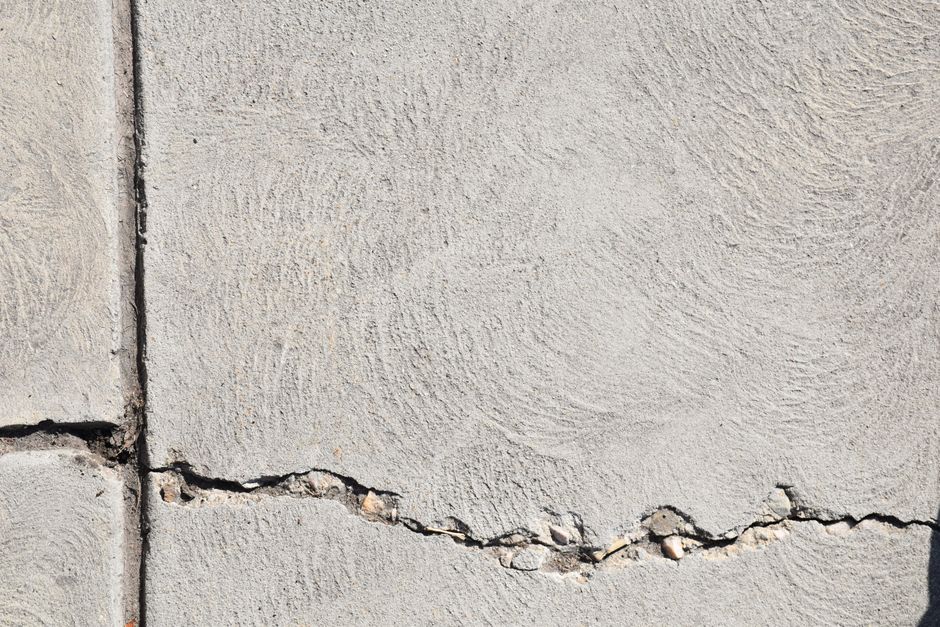
Foundation crack repair costs range from $250 to $800 per crack for epoxy injection and $200 to $600 per crack for polyurethane foam injection. Epoxy is stronger and ideal for structural cracks in dry conditions. Polyurethane works better for active, water-leaking cracks. Total project costs typically fall between $500 and $3,000 depending on crack count and severity. (Related: DIY Home Improvement Cost Calculators for Beginner Projects) (Related: Mulch Calculator: How Much Mulch Do You Need?) (Related: Complete Tank vs Tankless Water Heater Cost Guide 2026) (Related: Budget-friendly fall home improvement projects under $100 with cost calculators) (Related: Water Heater Replacement Costs: Complete Tank vs Tankless Guide 2026) (Related: Complete Guide to Garage Epoxy Flooring Cost in 2026)
Epoxy vs. Polyurethane: What You’re Actually Paying For
When I started researching home repairs after buying my first house, foundation cracks sent me into a full panic spiral. But once I understood the two main repair methods, everything clicked — and I realized the price difference makes total sense once you know what each material actually does.
Epoxy Injection: The Heavy-Duty Option
Epoxy injection is the go-to choice when you need structural strength restored. Contractors inject a two-part epoxy resin directly into the crack, where it cures into a bond that can actually be stronger than the surrounding concrete. Here’s what drives the cost:
- Material costs: $50–$150 per crack in epoxy product alone
- Labor: $150–$500 per crack depending on depth and access
- Surface prep: Crack must be completely dry, adding prep time
- Cure time: 3–5 days before full load-bearing capacity returns
Epoxy works best on cracks narrower than 1/8 inch that aren’t actively leaking. If water is seeping through, epoxy won’t bond properly — and you’ll be paying for a repair that fails within a season.
Polyurethane Foam Injection: The Flexible Fix
Polyurethane foam expands as it cures, filling irregular crack paths and creating a waterproof seal. It’s the smarter choice for wet basements and hairline cracks that experience seasonal movement. Cost breakdown:
- Material costs: $30–$100 per crack
- Labor: $120–$400 per crack
- Faster cure time: Hours, not days
- Flexible bond: Won’t crack again due to normal concrete movement
The lower price tag doesn’t mean lower quality — it means the right tool for the right job. Polyurethane is simply less material-intensive for the jobs it handles best.
What Drives Your Total Project Cost Higher (or Lower)
I’ve talked to enough homeowners in online communities to know that the per-crack price is just the starting point. Several factors can push your final invoice well outside the average range.
Crack Characteristics That Change Everything
Crack width and depth directly affect material volume. A crack running 8 feet deep through a poured concrete wall requires significantly more product than a 2-inch surface crack. Wider cracks (over 1/4 inch) may require mechanical anchoring before injection, adding $100–$300 per anchor point.
Horizontal vs. vertical cracks matter enormously. Horizontal cracks signal lateral soil pressure — a potentially serious structural issue. These often require wall anchors or carbon fiber straps costing $1,200–$2,500 per strap, well beyond standard injection pricing.
Access and Location Factors
- Finished basement: Drywall removal adds $200–$600 before crack work even begins
- Crawl space cracks: Limited access increases labor time by 30–50%
- Exterior excavation: If interior injection isn’t viable, exterior waterproofing can cost $5,000–$15,000
- Geographic location: Labor rates in Northeast and West Coast metros run 20–40% higher than Midwest averages
DIY vs. Professional Repair Costs
DIY epoxy and polyurethane kits run $75–$200 per crack at home improvement stores — a real savings if the crack is minor, accessible, and not structural. However, misdiagnosis is expensive. Sealing a crack from the inside when the real problem is exterior waterproofing failure just traps moisture in the wall.
For any crack wider than 1/4 inch, horizontal orientation, or showing signs of ongoing movement, professional assessment is worth the inspection fee (typically $100–$300, often credited toward repair work).
It’s also worth noting that moisture intrusion in basements can contribute to indoor air quality concerns. According to the EPA’s guidance on mold and moisture, controlling water entry is one of the most effective ways to prevent mold growth in below-grade spaces — making timely crack repair a health investment, not just a structural one.
How to Use the Calculator to Estimate Your Repair Costs
Before calling contractors for quotes, get your numbers straight. Use the home improvement cost calculator at DIYCalculator.net to build a baseline estimate based on your crack count, square footage, and repair method preference.
Here’s how to get the most accurate result:
- Count and measure each crack — length in feet, approximate width (hairline, 1/8″, 1/4″+)
- Note the orientation — vertical, diagonal, or horizontal
- Select your repair method — epoxy for dry/structural, polyurethane for wet/moving
- Input your ZIP code for regional labor cost adjustments
- Add any access complexity — finished walls, crawl space, etc.
Once you have your estimate, you can also run numbers through the concrete and materials calculator if you’re considering partial DIY work alongside professional injection services. Having real numbers in hand makes contractor conversations much more productive — and helps you spot bids that are way off base.
Frequently Asked Questions
Is epoxy or polyurethane better for a wet basement crack?
Polyurethane is better for wet or actively leaking cracks. It expands to fill the crack completely and cures even in the presence of moisture, creating a waterproof seal. Epoxy requires a dry surface to bond properly and will fail if water is present during application.
How long does foundation crack injection repair last?
A professionally applied epoxy injection can last the lifetime of the structure — 20+ years — in stable conditions. Polyurethane repairs typically last 10–20 years, with some settling or recracking possible in areas with significant soil movement. Annual basement inspections help catch any reactivation early.
Will homeowner’s insurance cover foundation crack repair?
Most standard homeowner’s insurance policies exclude foundation repair caused by settling, soil movement, or gradual water damage. Coverage may apply if a sudden, covered event (like a burst pipe or earthquake in areas with earthquake riders) caused the damage. Always document cracks with photos and dates, and check your specific policy language before filing a claim.
- Foundation Crack Repair Epoxy Injection Kit — Directly matches the post’s discussion of epoxy injection as a primary repair method; DIYers may seek affordable epoxy kits before hiring professionals
- Polyurethane Foam Foundation Crack Sealant — Complements the post’s comparison of polyurethane foam for water-leaking cracks; relevant for homeowners considering DIY repairs for active cracks
- Foundation Inspection Camera & Diagnostic Tool — Helps homeowners assess crack severity before committing to repair costs; valuable for determining which repair method is needed
See also: Complete Garage Epoxy Flooring Cost Guide for 2026
See also: Cabinet Refacing vs Replacement: Complete Cost Guide 2026
Related: Complete Guide to Foundation Crack Repair Costs in 2026
Related: Complete Guide to Foundation Crack Repair Costs in 2026