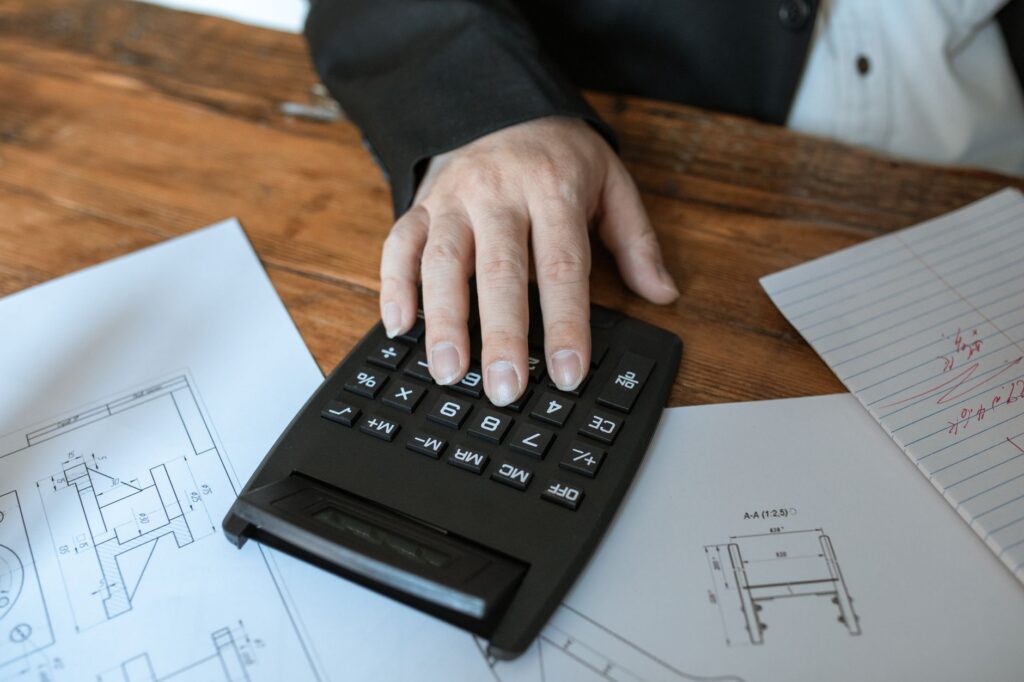
Whether you’re planning to renovate your kitchen, install new flooring, or build a deck, one of the most critical steps is knowing how much your project will cost before you start. A DIY calculator removes the guesswork from home improvement planning and helps you budget accurately, purchase the right amount of materials, and avoid costly mistakes. This comprehensive guide explains what a DIY calculator is, how to use one effectively, and why it’s an essential tool for any homeowner tackling their own projects. (Related: How to Use a Mulch Calculator to Estimate Landscape Costs) (Related: Concrete Calculator: A Complete Guide to Estimating Your Project Costs and Materials) (Related: Complete Chimney Repair & Cleaning Cost Guide 2026) (Related: Home Renovation Cost Calculator Guide for Cardiff Homeowners) (Related: Complete Guide to Chimney Repair Cleaning Costs by Season 2026) (Related: Basement Waterproofing Costs 2026: The Complete Interior vs Exterior Guide)
What Is a DIY Calculator and Why You Need One
A DIY calculator is a digital tool designed to estimate the costs, quantities, and specifications needed for home improvement projects. These calculators take your project dimensions and parameters, then instantly calculate material requirements, labor estimates, and total project costs. Instead of manually measuring, converting units, or doing complex math, a DIY calculator handles these calculations in seconds with accuracy.
For homeowners, DIY calculators serve multiple purposes. They help you determine whether a project fits your budget before you purchase a single nail. They calculate how many square feet of tile you need for a bathroom renovation, how much paint will cover your bedroom walls, or how many boards are required for a fence. They also help contractors and professionals quote jobs accurately. Without a DIY calculator, most people either overestimate and waste money buying excess materials, or underestimate and make multiple expensive trips back to the home improvement store.
The average homeowner spends between $3,000 and $15,000 on a mid-sized home improvement project. Using a DIY calculator to get accurate estimates can help you save 10 to 20 percent by preventing material waste and overordering.
Common Types of DIY Calculators and What They Measure
DIY calculators come in many varieties, each designed for specific project types. Understanding which calculator matches your project ensures you get accurate estimates.
Flooring calculators estimate the square footage you need to cover and account for waste factors. They work for tile, laminate, hardwood, vinyl, and carpet projects. A standard waste factor for flooring is 5 to 10 percent, meaning if your room is 200 square feet, you’d typically order 210 to 220 square feet of material.
Paint calculators determine how many gallons of paint you need based on room dimensions and wall height. One gallon of paint covers approximately 350 to 400 square feet. If your bedroom is 12 by 14 feet with 8-foot ceilings, a paint calculator will tell you exactly how many gallons to buy, saving you from purchasing too much or too little.
Concrete calculators calculate cubic yards needed for driveways, patios, and foundations. These are critical because concrete is sold by the yard, and ordering too little means stopping mid-project, while ordering too much is pure waste. A 20-by-20-foot patio with 4-inch depth requires approximately 4.9 cubic yards of concrete.
Landscaping calculators determine soil, mulch, gravel, and stone quantities for garden beds and outdoor projects. These often account for compaction and settling over time.
Deck and fence calculators estimate board footage, fasteners, and hardware needed. They factor in board spacing, railing requirements, and local building codes that affect material needs.
Drywall calculators tell you how many sheets of drywall and how much joint compound, tape, and fasteners you need for wall installation or repair.
How to Use a DIY Calculator Effectively
Getting accurate results from a DIY calculator requires careful input of your project measurements and specifications. Start by measuring your space precisely. Use a 25-foot tape measure for larger projects, and measure twice to catch errors. Write down all measurements in the same unit (typically feet and inches for most projects) before entering them into the calculator.
Next, determine the waste factor appropriate for your project. Most DIY calculators include preset waste factors, but understanding them helps. Tiling projects typically use 8 to 12 percent waste because of cuts and breakage. Flooring projects use 5 to 10 percent depending on layout complexity. Paint generally requires just 5 percent waste. When in doubt, adding an extra 10 percent to your estimate provides a safety cushion.
Input all project specifications honestly. If you’re uncertain about measurements or specifications, err on the side of more material rather than less. A $50 mistake in over-ordering is far better than a $500 mistake that requires another store trip and project delays.
Check the calculator’s assumptions. Some calculators make default assumptions about spacing, coverage rates, or product types. Verify these match your actual project. For example, if a paint calculator assumes 350 square feet per gallon and your paint brand covers 400 square feet per gallon, you can adjust accordingly.
Once you get results, round up to standard package sizes. Materials are sold in specific quantities. If a calculator tells you need 247 square feet of tile, round up to the next full box size your store carries, typically in 10 or 25-square-foot increments.
Benefits of Using a DIY Calculator Before Starting Your Project
Using a DIY calculator before beginning work provides numerous advantages beyond just knowing quantities. First, it establishes your true project budget. By calculating exact material costs, you can decide whether to proceed, scale the project down, or save up longer. Many homeowners discover that their dream kitchen renovation costs $8,000 instead of the $5,000 they guessed, giving them time to adjust their plans.
Second, it prevents impulse purchasing mistakes. When you know you need exactly 15 sheets of drywall, you won’t be tempted to buy 20 because they’re on sale. This discipline saves money across multiple projects annually.
Third, a DIY calculator helps you compare project costs across different material choices. You can calculate costs for premium versus standard tile, hardwood versus laminate flooring, or high-end versus budget paint. This empowers informed decisions about quality versus cost.
Finally, calculators provide documentation for your project. Screenshot or print your estimates to track spending, compare quotes from multiple suppliers, and maintain records for warranty or insurance purposes.
Advanced Tips for Getting Maximum Accuracy
Beyond basic calculator use, advanced techniques improve accuracy significantly. When measuring rooms, account for irregularities. Most rooms aren’t perfectly rectangular. Measure multiple points and use the average. For flooring projects, also note doorways, closets, and built-ins that reduce the area needing coverage.
Consider future needs when calculating quantities. If you’re painting a bedroom and might add an accent wall later, buy slightly more paint to ensure color matching. Paint color can vary between batches, and finding the exact shade months later is impossible.
For projects with multiple rooms or sections, run the calculator separately for each area, then combine results. This prevents mathematical errors and helps organize your shopping list by room.
Research your specific materials before finalizing quantities. Different tile types require different adhesive amounts. Some paints require primer. Understanding these details ensures your calculator estimates align with actual material needs.
Frequently Asked Questions
What if my room measurements aren’t standard?
Most DIY calculators allow custom dimensions for irregular spaces. Measure every unique section separately—for instance, an L-shaped room should be divided into two rectangles, calculated separately, then combined. This approach works for rooms with angles, alcoves, or varying ceiling heights.
How accurate are DIY calculators?
DIY calculators are typically accurate within 5 to 10 percent when measurements are entered correctly. The biggest accuracy factor is user input. If you measure wrong, the calculator produces wrong results. Always double-check measurements before entering them.
Should I always add extra material to calculator results?
Yes, almost always add 5 to 15 percent extra depending on project type. This accounts for waste, breakage, cutting errors, and future repairs. It’s inexpensive insurance against mid-project material shortages that create delays and frustration.
Can DIY calculators estimate labor costs?
Some advanced calculators estimate labor by multiplying material costs by standard multipliers or by breaking down tasks into estimated hours. However, labor costs vary dramatically by region and contractor. Use calculator labor estimates as rough guides only, not definitive quotes.
What’s the most important thing to do before using a DIY calculator?
Measure accurately. Take time to measure your space precisely using quality tools, measure multiple times, and write everything down. Accurate input produces accurate output; sloppy measuring produces useless estimates regardless of the calculator’s quality.
Conclusion
A DIY calculator is an invaluable tool for anyone planning home improvement projects. Whether you’re tiling a bathroom, painting walls, pouring concrete, or installing flooring, these calculators eliminate guesswork and provide exact material requirements and cost estimates. By understanding calculator types, learning how to input measurements accurately, and following best practices for material ordering, you can complete projects on budget while avoiding waste and delays. The small investment in time to use a calculator properly pays dividends through saved money, reduced stress, and successful project completion.
Use Our Free DIY Calculator
Stop guessing at material quantities and project costs. Head to our free DIY calculator at diycalculator.net to get instant estimates in seconds. Whether you need to know how many gallons of paint to buy, how many square feet of flooring material you need, how much concrete to order, or exact material costs for your specific project, our calculators provide dollar amounts and quantities you can trust. Try diycalculator.net today and start your next home improvement project with confidence and accuracy.
- Bosch Digital Measuring Tape — Essential tool for accurately measuring dimensions needed for DIY cost calculations and material estimation
- Home Depot Gift Card — Directly applicable to purchasing materials after users estimate costs with the calculator
- Dewalt 20V Cordless Drill Kit — Popular DIY power tool that home improvers typically need after planning and budgeting their renovation project
See also: DIY Home Improvement Projects to Replace Expensive Professional Services
See also: Gravel Calculator: Estimate Yards & Tons for Any Project
See also: Complete Guide to Drip vs Sprinkler Installation Costs 2026
See also: The Complete Guide to Residential Renovation Permitting Costs in 2026
See also: Complete Tile Flooring Cost Breakdown: Ceramic vs Porcelain vs Stone 2026
See also: Complete Crawlspace Encapsulation Cost Guide: Vapor Barrier & Ventilation 2026
See also: Solar vs Electric Outdoor Lighting Costs: Complete 2026 Guide
See also: Budget-friendly fall home improvement projects under $100 with cost calculators
See also: Water Heater Replacement Costs: Complete Tank vs Tankless Guide 2026
See also: Complete Guide to Garage Epoxy Flooring Cost in 2026
Related: Cost breakdown and ROI calculator for converting sheds into home offices
Related: Regional DIY project costs and calculator tools for UK home improvement hotspots