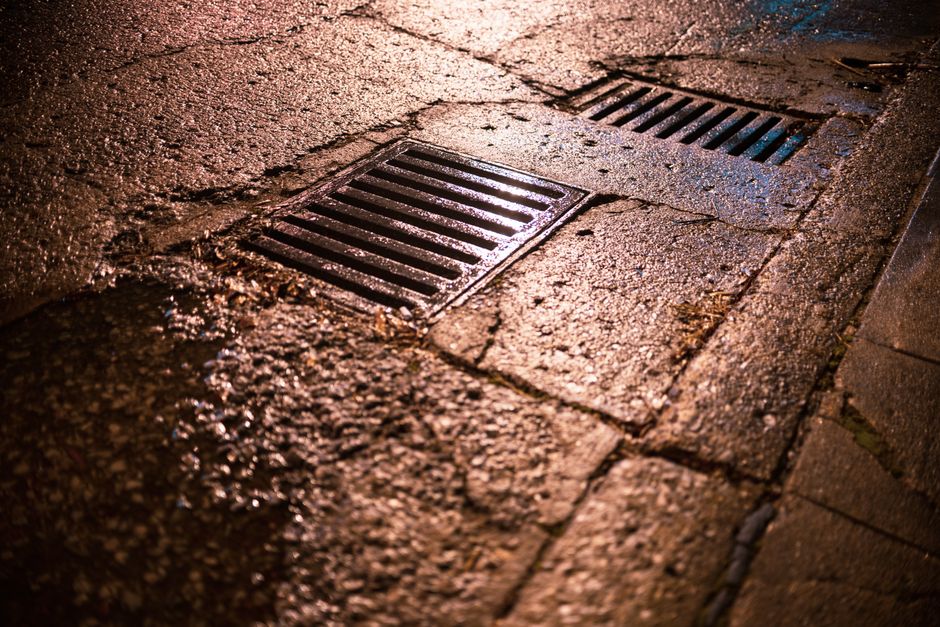
Grading and drainage involves shaping land to direct water away from structures while preventing soil erosion. Proper slope requires a minimum 2% grade (1/4 inch drop per foot) extending 6-10 feet from foundations. Erosion prevention uses techniques like swales, berms, French drains, and vegetation to stabilize soil. (Related: Cost breakdown and ROI calculator for converting sheds into home offices) (Related: Lumber Calculator: Estimate Board Feet & Costs Easily) (Related: Complete Outdoor Privacy Fence Cost Guide: Slat Spacing & Materials 2026) (Related: 5 Basement Ceiling Options: Drop vs Drywall vs Exposed Costs 2026) (Related: Complete Garage Door Replacement Pricing Guide for 2026) (Related: Home Renovation Cost Calculator Guide for Cardiff Homeowners)
What is Grading and Drainage?
If you’ve ever watched water pool against your foundation after a rainstorm, you already understand why residential grading and drainage matters so much. Grading is the process of reshaping your yard’s surface to control where water flows. Drainage systems then move that water safely away from your home, landscaping, and hardscaping.
Together, these two systems protect your home’s structural integrity, your basement from flooding, and your soil from eroding away season after season. When grading and drainage work correctly, you barely notice them. When they fail, you’re looking at foundation repairs, soggy lawns, and costly remediation — problems I’ve seen homeowners tackle far too late.
Common grading and drainage components include:
- Swales: Shallow, sloped channels that redirect surface runoff
- Berms: Raised earthen mounds that block or redirect water flow
- French drains: Perforated pipe systems buried in gravel trenches
- Catch basins: Underground collection points connected to drainage pipes
- Downspout extensions: Pipe extensions that carry roof runoff further from foundations
Slope Requirements for Proper Drainage
What slope is required for proper drainage?
The universally recommended minimum is a 2% slope, which equals a 1/4 inch drop for every foot of horizontal distance. This grading standard should extend at least 6 to 10 feet away from your foundation in all directions. Many building codes require this as a minimum — not a suggestion.
Here’s how proper drainage slope breaks down in practice:
- Foundation grade (0–10 feet): Minimum 2% slope (1/4″ per foot)
- General lawn grade: 1–2% slope works well for most turf areas
- Paved surfaces: 1% minimum slope for concrete or asphalt
- Swale channels: 1–5% slope to move water without causing erosion
- Steep slopes (over 10%): Require erosion control measures like ground cover or retaining walls
A slope that’s too flat allows water to pond and saturate soil near your foundation. A slope that’s too steep — especially without ground cover — accelerates erosion and can wash away topsoil quickly. Finding the right grade is a balancing act between moving water efficiently and keeping your soil in place.
According to the EPA’s stormwater management guidelines, improper grading is one of the leading contributors to construction-site and residential stormwater runoff issues that impact local waterways.
Erosion Prevention Methods
Once you have proper slope, your next priority is keeping that soil exactly where you put it. Erosion prevention techniques stabilize disturbed or sloped ground and reduce sediment runoff into storm drains and waterways.
The most effective erosion prevention methods for residential properties include:
- Seeding and sod: Fast-establishing grass roots bind soil quickly after grading work
- Erosion control blankets: Biodegradable mats that protect bare soil while vegetation establishes
- Retaining walls: Structural solutions for slopes over 3:1 (33%) grade
- Riprap: Large rocks placed along drainage channels to slow water velocity
- Rain gardens: Planted depressions that capture runoff and allow it to percolate into the ground
- Mulch and ground cover: Lightweight but effective at reducing surface runoff velocity
The EPA notes that vegetation is consistently the most cost-effective long-term erosion prevention strategy, since plant root systems physically anchor soil while their canopy reduces the impact of rainfall on bare ground.
For steeper slopes, combining multiple methods — such as riprap at the base with ground cover plantings above — dramatically outperforms any single technique.
Grading and Drainage Cost Factors
How much does grading and drainage cost for a home?
Grading and drainage cost varies widely based on your property’s size, existing slope conditions, soil type, and the complexity of the drainage solution required. Here’s a realistic breakdown:
- Basic yard regrading (small area): $500 – $1,500
- Full residential lot grading: $1,000 – $5,000
- French drain installation: $1,500 – $6,000 depending on length
- Swale construction: $500 – $2,000
- Retaining wall (per linear foot): $25 – $75 materials only; $50 – $150 installed
- Catch basin installation: $1,000 – $3,000
- Complete drainage system (complex lot): $5,000 – $20,000+
Key cost drivers include:
- Soil conditions: Rocky or clay-heavy soil increases excavation time and equipment costs
- Yard size: Larger lots need more materials and labor hours
- Existing landscaping: Removing mature trees or shrubs adds cost
- Permit requirements: Some municipalities require drainage permits ($100–$500)
- Equipment access: Tight yards with limited access increase labor costs
DIY vs Professional Installation
Some grading and drainage tasks are genuinely DIY-friendly — and some are absolutely not. Here’s how to think through that decision:
Good candidates for DIY:
- Downspout extensions and splash blocks
- Adding topsoil and regrading small garden beds
- Installing short French drain sections in sandy soil
- Mulching and erosion blanket installation
Leave these to professionals:
- Foundation-adjacent grading (errors here are extremely costly)
- Retaining walls over 2 feet tall (structural and permit requirements)
- Any work involving buried utilities
- Complex drainage systems with multiple catch basins
DIY grading with a rented plate compactor and topsoil delivery can run as low as $200–$800 for a small
- Landscape Grading and Drainage Tools Set — DIY enthusiasts need proper tools for grading and drainage work, including levels, shovels, and measuring equipment covered in the guide
- French Drain Installation Kit — The post specifically mentions French drains as an erosion prevention technique, making a complete DIY installation kit directly relevant
- Slope Level and Grade Finder — Essential for measuring the minimum 2% grade requirement mentioned in the post, helping DIYers ensure proper drainage slope
See also: Hollow Core vs Solid Core Door Pricing: Complete 2026 Guide
See also: Complete Guide to Garden Trellis & Arbor Costs in 2026
Related: Complete Crawlspace Encapsulation Cost Guide: Vapor Barrier & Ventilation 2026
Related: Complete Tank vs Tankless Water Heater Cost Guide 2026
Related: Complete HVAC System Cost Guide: Furnace, AC & Ductwork 2026