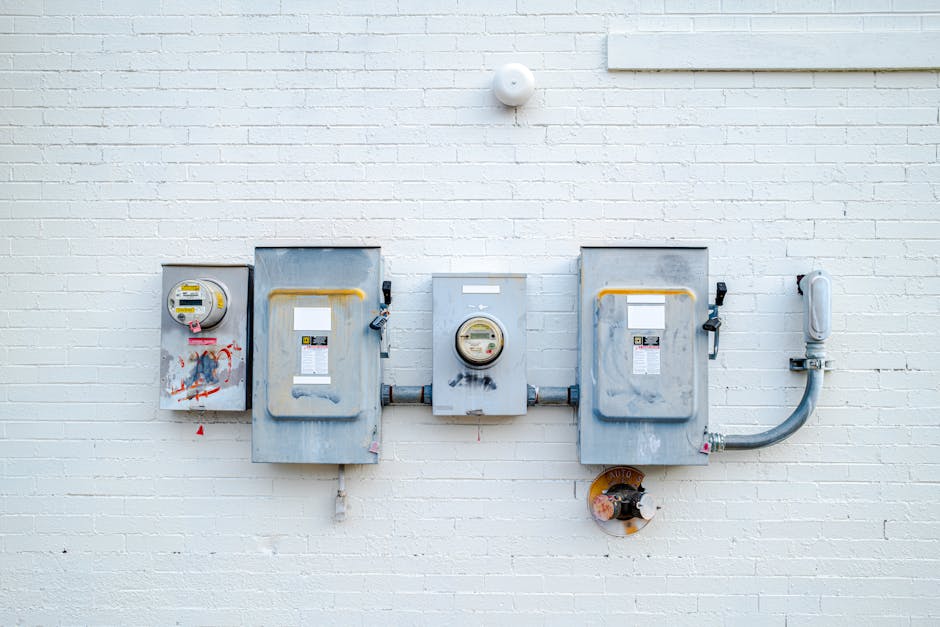
An electrical panel upgrade typically costs $1,500 to $3,000 for standard residential panels, with prices varying based on amperage requirements (100-200 amps), local labor rates, permits, and whether structural changes are needed. Most homes require 150-200 amp service for modern electrical demands. (Related: Regional DIY project costs and calculator tools for UK home improvement hotspots) (Related: Complete Guide to Fireplace Installation Costs in 2026) (Related: Tile Flooring Cost Comparison: The Complete 2026 Guide) (Related: DIY Tool Investment Calculator: Which Essential Tools to Buy vs. Borrow for Home Projects) (Related: Drywall Calculator: Estimate Sheets & Costs Accurately) (Related: How to Use a Mulch Calculator to Save Time and Money on Your Next Landscaping Project)
What is an Electrical Panel Upgrade?
Your electrical panel — also called a breaker box or load center — is the hub that distributes power throughout your home. When your panel can’t safely handle your household’s electrical load, an upgrade becomes necessary. This could mean replacing an outdated fuse box, increasing amperage capacity, or swapping a recalled panel brand for a modern, code-compliant unit.
Panel upgrades aren’t just about convenience. They’re about protecting your home from overloads, tripped breakers, and in worst-case scenarios, electrical fires. According to the U.S. Environmental Protection Agency, indoor air quality and home safety risks are significantly elevated when outdated electrical systems cause incomplete combustion or fire hazards — making modernizing your panel a genuine safety investment, not just an upgrade.
Electrical Panel Amperage Requirements by Home Size
Choosing the right amperage is one of the most important decisions in this process. Here’s a general breakdown based on home size and usage patterns:
- 60-amp panels: Found only in very old homes. Completely inadequate for modern living and typically require full replacement.
- 100-amp panels: Suitable for smaller homes under 1,000 square feet with limited appliances. Still common but increasingly insufficient.
- 150-amp panels: A solid middle ground for medium-sized homes with standard modern appliances.
- 200-amp panels: The current standard for most new construction and renovation projects. Handles EV chargers, HVAC systems, and whole-home electronics comfortably.
- 400-amp panels: Typically reserved for large homes, home-based businesses, or properties with significant power demands like multiple EV chargers or solar battery systems.
If you’re adding a hot tub, electric vehicle charger, or home addition, calculate your projected load before committing to an amperage. Our electricity cost calculator can help you estimate your current and future power consumption so you don’t undersize your new panel.
Electrical Panel Upgrade Cost Breakdown
How much does it cost to upgrade an electrical panel from 100 to 200 amps?
This is the most common upgrade homeowners tackle, and the cost typically falls between $1,300 and $2,500 depending on your region and the complexity of your existing setup. Here’s where that money goes:
- New panel unit: $150–$400 for a quality 200-amp breaker box
- Labor: $800–$1,500 depending on your local electrician rates (typically 8–12 hours of work)
- Permits: $50–$300 depending on your municipality
- Utility coordination: Sometimes free, sometimes up to $200 if your utility needs to upgrade the service entrance
- Additional wiring or subpanel work: $200–$1,000 if your home needs supplemental circuits
If your upgrade also requires replacing the meter base or upgrading the service entrance cable from the street, expect to add another $500–$1,500 to the total. This is especially common in homes built before 1980.
Want to get a better handle on the numbers before calling a contractor? Use our home renovation cost estimator to build out a realistic budget that includes panel work alongside any other updates you’re planning.
Safety Requirements and Inspections
What are the safety requirements for upgrading an electrical panel?
Electrical panel work is one of the most heavily regulated home improvement projects — and for very good reason. Here’s what you need to know:
- Building permits are almost always required. Most jurisdictions require a permit before any panel work begins. Never skip this step — unpermitted electrical work can void your homeowner’s insurance and create problems when selling your home.
- Inspections are mandatory. After installation, a licensed electrical inspector must verify the work meets current National Electrical Code (NEC) standards before your power is restored.
- Arc-fault circuit interrupters (AFCIs): Modern NEC requirements mandate AFCI breakers in bedrooms, living rooms, and many other spaces in new or upgraded installations.
- Ground fault circuit interrupters (GFCIs): Required in kitchens, bathrooms, garages, and outdoor circuits.
- Proper labeling: All circuits must be accurately labeled in the new panel.
- Clearance requirements: The NEC requires at least 36 inches of clear working space in front of any electrical panel.
Your utility company will also need to disconnect and reconnect power during the upgrade, coordinating the timing with your electrician. Some utilities charge a fee for this service call, while others include it at no charge.
When Do You Need a Panel Upgrade?
Not sure if your panel needs replacement or just maintenance? Watch for these warning signs:
- Breakers that trip frequently under normal loads
- Lights that flicker or dim when appliances start up
- A burning smell or visible scorch marks near outlets or the panel
- Your home still has a fuse box rather than breakers
- You’re adding a major appliance like a dryer, EV charger, or central AC
- Your panel is a recalled brand (Federal Pacific Stab-Lok or Zinsco panels are well-documented safety risks)
- You’re adding living space or an accessory dwelling unit (ADU)
If you’re experiencing any combination of these issues, the cost to upgrade electrical service is almost always worth it when weighed against the risk of electrical fire or property damage.
DIY vs Professional Installation
Let’s be direct: electrical panel upgrades are not a DIY project for most homeowners. Beyond the obvious shock hazard, panel work involves coordination with your utility company, mandatory inspections, and complex code compliance that requires professional expertise. Most jurisdictions legally require a licensed electrician to perform this work.
That said, informed homeowners can still save money by:
- Getting 3+ quotes from licensed electricians
- Pulling their own permit in some jurisdictions (check local rules first)
- Scheduling work during off-peak seasons when electricians are less booked
- Bundling the panel upgrade with other electrical work to reduce the number of service calls
How to Use Our Calculator to Plan Your Upgrade
Before you call an electrician, it helps to walk in with solid numbers. Use our electricity usage calculator to estimate your current power consumption and determine whether a 150
- Electrical Panel Upgrade Kit & Tools — Readers planning DIY electrical work or understanding the upgrade process would benefit from professional-grade tools and safety equipment needed for panel upgrades
- Home Inspector Listing Service — Users researching panel upgrade costs need to find qualified electricians and contractors; HomeAdvisor’s affiliate program helps connect readers with local service providers
- Electrical Safety & Surge Protection Devices — Complements panel upgrade information by offering readers complementary safety solutions and modern electrical protection devices for their upgraded systems
Related: Energy Audit Costs: The Complete 2026 Guide to Professional Assessment ROI
Related: Complete HVAC System Cost Guide: Furnace, AC & Ductwork 2026
Related: Complete Guide to Basement Waterproofing Costs in 2026
See also: Complete Guide to Crown Molding Costs by Linear Foot in 2026
See also: Common DIY Project Mistakes: How to Avoid Poor Workmanship Results
See also: Tile Calculator: Estimate Tiles & Costs for Any Room
Related: Electrical Panel Upgrade Costs: The Complete 2026 Guide
Related: Health and Safety Guide: Proper Rodent Cleanup Procedures for Homeowners