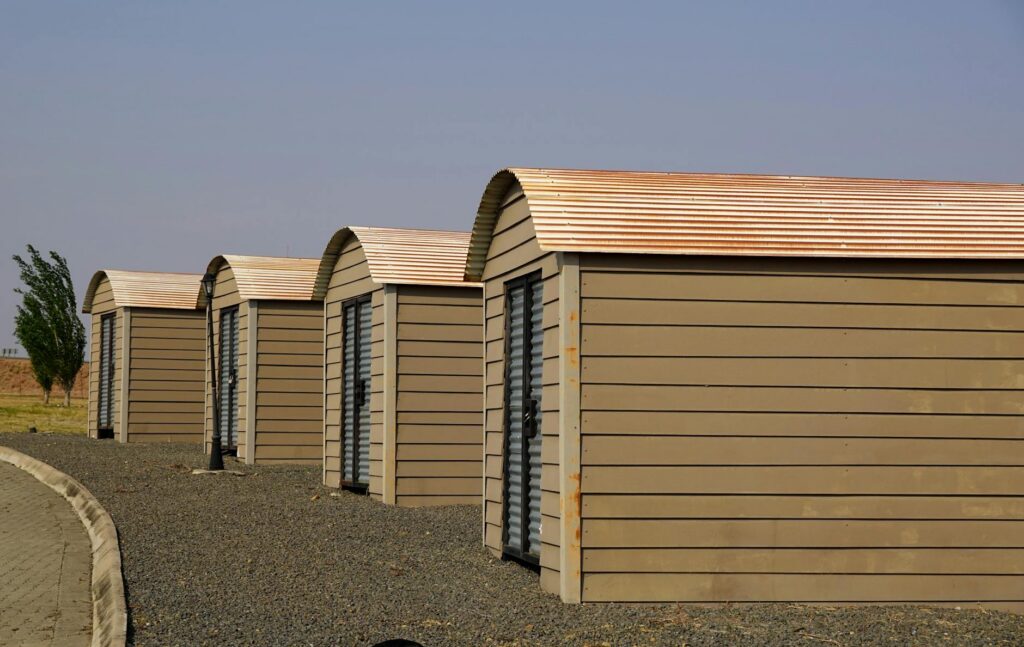
Shed Building Cost 2025: Materials, Permits & Foundation
Building a shed in 2025 costs between $3,000 and $15,000 depending on size, materials, and location, with the foundation and framing typically consuming 40% of your budget. Understanding the breakdown of materials, permit requirements, and foundation options will help you plan accurately and avoid surprises. This guide covers everything you need to know to budget your shed project successfully.
Understanding Material Costs for Shed Construction
Material expenses represent the largest portion of your shed building budget. In 2025, lumber prices have stabilized somewhat after the volatility of recent years, but quality wood framing still costs between $2,000 and $4,000 for a 10×12 foot shed. Pressure-treated lumber for the base and floor joists typically runs $800-$1,200, while wall studs and roof rafters add another $1,000-$1,500.
Roofing materials significantly impact your total cost. Asphalt shingles remain the most affordable option at $400-$600 for a standard shed roof, while metal roofing costs $1,200-$2,000 but offers superior durability and longevity. Siding choices range dramatically: vinyl siding costs $500-$800, cedar shingles run $1,200-$1,800, and metal siding falls between at $700-$1,000.
Don’t overlook secondary materials that add up quickly. You’ll need hardware (hinges, handles, brackets) costing $150-$300, exterior sealants and caulk ($100-$150), fasteners and nails ($50-$100), and weatherstripping and door seals ($75-$125). Windows and doors, if included, add $200-$500 depending on quality and quantity.
Permit Requirements and Regulatory Costs
Permit costs vary dramatically by location, ranging from zero in some rural areas to $500-$2,000 in urban municipalities. Most jurisdictions require building permits for sheds larger than 120 square feet, though some areas have different thresholds. Contact your local building department early in your planning process to understand specific requirements.
Standard permits typically require site plans showing the shed’s location relative to property lines, setback requirements (usually 5-10 feet from property boundaries), and foundation specifications. Some jurisdictions also require electrical permits if you plan to add power, running $100-$300 separately. Inspection fees often add another $50-$150 per visit, and most projects require at least one foundation inspection and a final approval inspection.
Setback requirements prevent construction too close to property lines and neighboring structures. These typically mandate minimum distances of 5 feet from side property lines and 10 feet from rear lines, though corner lots and specific zoning may have stricter requirements. Building on a setback violation can result in expensive removal orders or liens against your property. Check with your local zoning office before finalizing your shed location.
Foundation Options and Installation Costs
Your foundation choice affects both immediate costs and long-term durability. A proper foundation prevents moisture damage, rot, and structural settling, making this investment critical regardless of budget constraints.
Concrete Slab Foundation: This popular option costs $1,000-$2,000 for a 10×12 shed and provides excellent durability. You’ll need to excavate 4-6 inches, add gravel base, and pour 4-6 inches of concrete. This method works best in dry climates and well-draining soil. The concrete should cure for 7 days before construction begins.
Skid Foundation: Using pressure-treated 6×6 or 6×8 beams as a base costs $400-$800 and remains the DIY-friendliest option. You’ll need to level the ground, add gravel for drainage, and ensure adequate airflow underneath to prevent moisture accumulation. This method works well for temporary or portable sheds and allows for easier future relocation.
Concrete Pier and Post Foundation: This mid-range option costs $600-$1,200 and involves digging holes below the frost line, setting concrete piers, and mounting pressure-treated posts. It provides excellent drainage and is ideal for areas with significant freeze-thaw cycles. Frost line depth varies by region—consult your local building department for requirements in your area.
Full Perimeter Foundation: For premium durability, a concrete footings and stem wall foundation costs $2,000-$3,500 but provides superior protection and allows crawl space access. This option is necessary in areas with heavy snow loads or significant frost heave potential and offers the best long-term value despite higher upfront costs.
How to Estimate Your Exact Shed Building Costs
Getting precise cost estimates requires detailed planning and accurate measurements. Use our lumber calculator to determine exact material quantities based on your shed dimensions, which helps you get accurate quotes from suppliers and prevents costly overages or shortages.
Start by finalizing your shed design: determine dimensions (8×10, 10×12, 12×16, etc.), select roofing style (gable, gambrel, or single-slope), choose wall materials, and decide whether to include windows, doors, or utilities. Measure your site carefully, noting slope and drainage patterns. Contact three local material suppliers and building departments to gather real prices for your area.
Frequently Asked Questions
Do I really need a permit for my shed?
Most jurisdictions require permits for sheds larger than 120 square feet, though this varies significantly. Check your local building code—it’s a simple phone call to your building department. Unpermitted construction can create issues when selling your property, void insurance coverage, and result in expensive removal orders. The permit cost is typically modest insurance against future problems.
What’s the most budget-friendly foundation option?
Gravel and skids offer the lowest upfront cost at $400-$600, but concrete piers or slabs provide better long-term value by preventing wood rot and structural damage. Calculate the total cost-of-ownership over 20 years rather than just initial installation—a $1,500 concrete slab will likely cost less when you factor in repairs to a skid foundation requiring replacement in 10-15 years.
Can I build a shed myself to save money?
DIY construction can save 30-40% on labor costs, but requires proper tools, skills, and time. The foundation and roof are the most critical components—mistakes here are expensive to fix. Many builders tackle framing themselves while hiring professionals for foundation work and roofing. Be realistic about your abilities and don’t compromise structural integrity for savings.
- Shed Building Materials Kit — Directly addresses the core topic of shed materials and construction supplies that readers are researching for their projects
- Foundation Concrete Mix & Tools — Specifically supports the foundation aspect mentioned in the post title, which represents a major cost component (40% of budget)
- Shed Building Design Software — Helps readers plan and calculate costs accurately before purchasing materials, aligning with the post’s emphasis on budget planning and material breakdown
If you do work for others professionally, general liability insurance protects you from property damage and injury claims. Hiscox makes it easy to get covered.
Get a Free Hiscox Quote →
Affiliate disclosure: We may earn a commission if you get a quote through this link, at no cost to you.