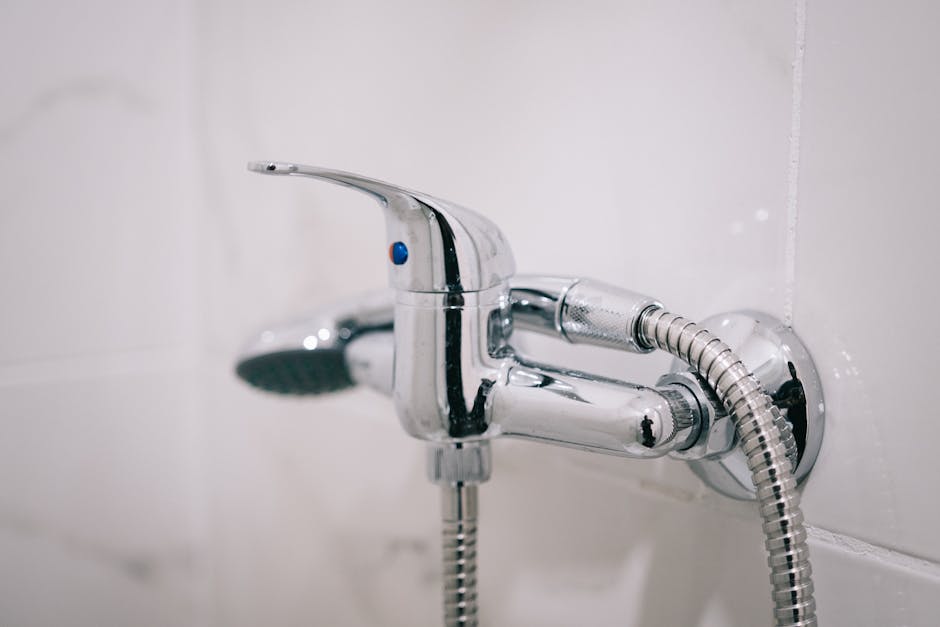
Plumbing fixture costs vary widely: faucets range from $50-$500+, sinks from $100-$800+, and rough-in labor averages $800-$2,000 depending on complexity. Budget $1,500-$3,500 for a complete bathroom fixture upgrade including installation.
Faucet Costs and Types
When planning a bathroom or kitchen remodel, understanding faucet installation cost is essential. The price of a faucet depends heavily on quality, brand, and finish.
Budget faucets typically cost $50-$150 and work perfectly for renters or temporary solutions. Mid-range options ($150-$400) offer better durability and design variety. High-end faucets ($400-$800+) feature premium materials like brushed nickel, matte black, or polished brass with extended warranties.
Installation typically adds $150-$300 to your faucet cost, depending on whether you’re replacing an existing fixture or installing new water lines. Single-handle faucets are usually cheaper to install than dual-handle or specialty models.
How much does it cost to replace plumbing fixtures?
Replacing a single faucet typically costs $200-$500 total (fixture plus labor). However, replacing all fixtures in a bathroom—including sink faucets, shower valves, and toilet fill mechanisms—can reach $2,000-$4,000 with professional installation. The complexity of your plumbing layout and whether you need new water supply lines significantly impacts the final bill.
Sink Pricing by Material and Style
Sink selection is where bathroom aesthetics meet budget reality. Bathroom sink prices vary based on material, size, and mounting style.
Ceramic and porcelain sinks are the most affordable, ranging from $100-$300. They’re durable, easy to clean, and available in countless colors and styles. Undermount ceramic sinks cost more ($200-$400) because installation requires precision cutting and additional support.
Stainless steel sinks typically cost $150-$500 and resist staining well. They’re popular in modern kitchens and contemporary bathrooms. Stone sinks (granite, marble, or quartz) range from $300-$800+ and offer luxury aesthetics with premium durability.
Vessel sinks sit atop the vanity and cost $200-$600 for the bowl alone, plus $100-$200 for installation on a specialty faucet. Glass vessel sinks are stunning but fragile and cost $250-$700.
Don’t forget the vanity itself. A basic bathroom vanity with sink runs $200-$500, while mid-range options cost $500-$1,200. High-end custom vanities exceed $2,000.
Rough-In Labor Costs and Timeline
If you’re doing new construction or major remodeling, plumbing rough-in labor is a significant expense. Rough-in refers to installing all water supply lines, drain pipes, and vent stacks before walls close up.
What is the average cost of rough-in plumbing labor?
Rough-in labor averages $800-$2,000 for a single bathroom, depending on complexity. A simple bathroom in new construction might cost $800-$1,200, while upgrading existing plumbing or adding fixtures in finished spaces can reach $2,000-$3,500.
Factors affecting rough-in costs include:
- Distance from main water supply and sewer lines
- Whether existing pipes need replacement
- Local code requirements and permit fees ($100-$300)
- Soil conditions (digging through rock costs more)
- Number of fixtures being installed
Timeline for rough-in work typically takes 1-3 days for a single bathroom. If you’re upgrading multiple bathrooms simultaneously, expect 5-10 days total, which reduces per-bathroom costs through efficiency.
Cost-Saving Tips for Plumbing Fixtures
Here’s where my passion for smart spending kicks in. I’ve watched homeowners save thousands by making strategic choices about plumbing fixtures.
Buy fixtures during sales events. Major retailers discount plumbing fixtures during spring and Black Friday. Waiting a few weeks can save 15-25% on quality faucets and sinks.
Standardize your fixtures. Buying the same faucet model for multiple bathrooms reduces costs through bulk purchasing and simplifies maintenance long-term.
Reuse existing plumbing locations. Installing new fixtures where old ones existed costs far less than relocating water and drain lines. You’ll save $500-$1,500 per relocated fixture.
Choose quality mid-range options. Budget faucets ($50-$100) often fail within 5 years. Mid-range faucets ($150-$300) offer better value—they last 15+ years with minimal maintenance.
DIY what you can. If you’re handy, removing old fixtures and doing basic prep work can save $300-$600 in labor.
DIY vs Professional Installation
Deciding between DIY and professional installation depends on your skill level, tools, and the complexity of your project.
DIY installation works for: Replacing existing faucets in accessible locations, changing aerators and cartridges, installing vessel sinks on pre-drilled vanities. You’ll save $150-$300 per fixture and gain valuable skills.
Professional installation is necessary for: Rough-in plumbing, moving supply lines, installing undermount sinks, dealing with old corroded pipes, or working with specialized fixtures. A licensed plumber ensures code compliance and warranty coverage.
The average plumber charges $50-$150 per hour, with most fixture installations taking 2-4 hours. That’s $100-$600 per fixture for labor alone.
How to Use the Calculator
Planning a plumbing project requires accurate cost estimation. Our bathroom renovation cost calculator helps you estimate total fixture expenses by entering specific choices: faucet type, sink material, number of fixtures, and labor costs in your area. You’ll instantly see itemized costs and total project budget, making it easy to adjust priorities and stay within your financial goals.
Frequently Asked Questions
How much does it cost to replace all bathroom plumbing fixtures?
Replacing all fixtures in one bathroom typically costs $1,500-$3,500. This includes a sink ($200-$500), faucet ($150-$400), toilet ($200-$500), shower valve ($200-$400), showerhead ($50-$200), and labor ($500-$1,500). Upgrading finishes to match throughout reduces overall costs through bulk purchasing.
What’s the difference between rough-in and trim plumbing?
Rough-in is the foundation—all water supply and drain lines installed before drywall. Trim plumbing is the final stage where visible fixtures connect to those lines. Rough-in is more expensive ($800-$2,000 per bathroom) because it requires extensive labor. Trim work typically costs $300-$800 and is faster.
Can I install plumbing fixtures myself without a license?
In most jurisdictions, homeowners can perform fixture work on their own properties without a license. However, rough-in plumbing, moving main supply lines, or connecting to municipal sewer
- Moen Faucets & Fixtures — Direct product match for the faucet cost discussion; readers planning fixture upgrades will want to compare popular brands
- Kohler Bathroom Sinks & Fixtures — Aligns with sink cost ranges mentioned ($100-$800+); essential for bathroom remodel planning
- Plumbing Tool Kit & Installation Supplies — Supports DIY readers interested in understanding rough-in labor and installation processes
Related: Ultimate Guide to Outdoor Kitchen Equipment Costs in 2026: Grills, Countertops, and Cabinetry
Related: 5 Ways to Lower Your Plumbing Fixture Costs in 2026
Related: 7 Essential Plumbing Fixture Costs You Need to Know in 2026