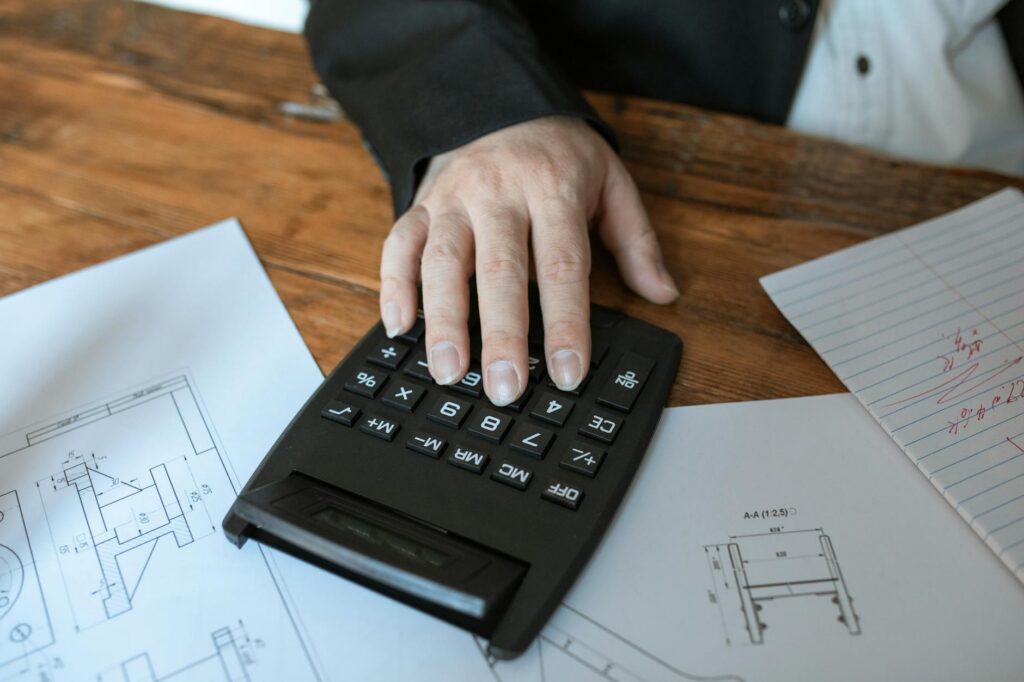
Whether you’re planning a kitchen renovation, installing new flooring, or building a deck, one of the biggest challenges homeowners face is figuring out how much a project will actually cost. A DIY calculator removes the guesswork and helps you budget accurately before buying a single nail. In this comprehensive guide, we’ll explore everything you need to know about using DIY calculators to plan and estimate your home improvement projects with confidence.
What Is a DIY Calculator and Why You Need One
A DIY calculator is a specialized tool designed to help homeowners estimate project costs, material quantities, and labor time for home improvement tasks. Unlike general calculators, DIY calculators are purpose-built with home improvement in mind, accounting for factors like square footage, material waste, local pricing variations, and project complexity.
The average American homeowner spends between $5,000 and $15,000 annually on home improvements, yet many significantly underestimate project costs. A DIY calculator helps you avoid budget overruns by providing accurate estimates upfront. Whether you’re a first-time DIYer tackling a small bathroom update or an experienced renovator planning a major overhaul, these calculators save time, money, and stress by breaking down exactly what you’ll need and what it will cost.
Beyond cost estimation, DIY calculators help you determine material quantities with precision. If you’re calculating flooring for a 400-square-foot room, a calculator factors in waste (typically 10–15% for most materials) and ensures you don’t fall short halfway through your project. This accuracy prevents expensive return trips to the hardware store.
Common Home Improvement Projects and Calculator Applications
DIY calculators work best when you understand which projects benefit most from them. Flooring projects are among the most popular uses—whether you’re installing hardwood, laminate, tile, or vinyl, a flooring calculator measures your room dimensions and adds waste factors to give you exact square footage needed. Most flooring materials cost between $2 and $12 per square foot, so accurate calculations can easily save you $100–$500 on a single room.
Painting projects represent another excellent calculator application. A paint calculator accounts for room dimensions, ceiling height, number of windows and doors, and how many coats you’ll need. A gallon of quality interior paint costs $25–$60 and covers approximately 350–400 square feet per coat. Calculating precisely means you won’t overbuy paint or run short mid-project.
Insulation, drywall, tile, deck building, and landscaping projects all benefit from DIY calculator precision. For instance, if you’re adding insulation to your attic, a calculator factors in R-value requirements for your climate zone and your attic’s square footage to determine exactly how much insulation you need. Insulation costs $0.50–$1.50 per square foot, making accurate estimates critical for budget control.
Deck building calculators help you determine lumber quantities, hardware needs, and concrete footings required. A basic 12-by-16-foot deck might cost $3,000–$8,000 depending on materials and finishes, so accurate planning prevents expensive miscalculations.
How to Use a DIY Calculator Effectively
Using a DIY calculator effectively requires gathering accurate measurements before you start. Measure your space carefully—use a tape measure for precision rather than pacing or estimating by eye. For room measurements, measure length and width at multiple points since older homes often have slightly uneven walls. Record all dimensions clearly, noting ceiling heights, doorway widths, and window placements, as these affect material calculations.
Next, identify your specific project type and materials. Different calculators focus on different project categories. If you’re installing ceramic tile in your bathroom, select a tile calculator rather than a general flooring tool. Be prepared to specify material choices since they significantly impact costs. Ceramic tile costs $1–$30 per square foot depending on quality and style, while luxury vinyl plank runs $2–$10 per square foot, creating substantial budget differences.
Input your measurements into the calculator and review the results carefully. Quality calculators provide material quantities, estimated costs based on current average pricing, and sometimes labor-hour estimates. Multiply the square footage by waste percentages (typically 10% for most materials, up to 20% for complex tile patterns) to ensure you have enough material.
Finally, use the calculator output as your shopping list and budget framework. Most calculators generate itemized lists showing exactly what you need to purchase. Take this list to your local hardware store or use it for online ordering, and remember that actual prices vary based on your location and material quality choices.
Advantages of Using Digital DIY Calculators Over Manual Estimation
Manual estimation using pencil, paper, and basic math leaves too much room for error. A homeowner estimating flooring for a 300-square-foot room might forget to account for a 15% waste factor, resulting in 45 square feet of underestimation—enough to require an expensive second purchase.
Digital DIY calculators eliminate human error by automatically applying industry-standard waste factors, accounting for cuts around obstacles, and factoring in material patterns. They also update pricing information regularly, ensuring your estimates reflect current market conditions rather than outdated guesses.
Another advantage is time savings. Manually calculating material needs for a complex project like tiling a bathroom with a decorative border might take 30 minutes or more. A digital calculator completes the same job in 2–3 minutes, freeing you to focus on design decisions rather than math.
Digital calculators also help you make informed material choices. By quickly comparing costs between materials—comparing porcelain tile at $8 per square foot versus ceramic at $3 per square foot—you can evaluate options rapidly and make budget-conscious decisions aligned with your priorities.
Tips for Accurate DIY Project Budgeting Beyond the Calculator
While a DIY calculator provides your material estimate, comprehensive budgeting requires additional considerations. Always add a contingency buffer of 10–15% to your total estimate for unexpected costs. Home improvement projects often reveal hidden issues—water damage behind walls, outdated electrical wiring requiring updates, or structural problems that weren’t visible before you started.
Don’t overlook tool rental costs if you don’t own specialized equipment. A tile saw rental costs $35–$50 per day, a power drill might run $25 per day, and scaffold rental for larger projects can exceed $100 daily. Factor these into your overall budget.
Shop strategically for materials. Prices vary significantly between big-box stores, local specialty shops, and online retailers. Once your calculator tells you exactly what you need, compare prices across three sources. Bulk purchases sometimes offer discounts, and off-season shopping (buying outdoor materials in winter, for example) often yields savings of 20–30%.
Consider disposal costs for old materials. If you’re removing old flooring or drywall, factor in dumpster rental ($300–$500 per week) or haul-away fees. These expenses are easy to forget but impact your true project cost.
Frequently Asked Questions
How accurate are DIY calculators for estimating project costs?
DIY calculators provide estimates accurate to within 5–10% for material quantities when you input precise measurements. Cost estimates are slightly less precise since prices vary by region and retailer, but they give reliable ballpark figures for budgeting purposes. Always get actual quotes from suppliers for final pricing.
Do DIY calculators account for material waste and cutting loss?
Quality DIY calculators automatically add waste percentages, typically 10–15% for most materials, and higher percentages (15–20%) for complex installations like diagonal tile patterns or intricate layouts. This ensures your material estimate includes enough for cuts and breakage.
Can I use a DIY calculator for multiple rooms or complex projects?
Most DIY calculators work best for single-room or individual-project estimates. For larger renovations spanning multiple rooms, calculate each space separately, then add results together. Some advanced calculators offer batch processing for multi-room projects.
What measurements do I need before using a DIY calculator?
At minimum, you need room length and width (in feet) and ceiling height. For most projects, also measure doorway widths, window placements, and any architectural features that affect material needs. Use a quality tape measure and record measurements at multiple points for accuracy.
Should I rely solely on a calculator for project planning?
Calculators are excellent tools for estimating materials and costs, but they shouldn’t replace professional consultation for complex projects. For major renovations, structural work, or projects requiring permits, consult licensed contractors to ensure your plan accounts for local building codes and safety requirements.
Use Our Free DIY Calculator
Stop estimating your home improvement projects and start planning with precision. Head to our free DIY calculator at diycalculator.net to instantly generate accurate material lists and cost estimates for your next project. Whether you’re calculating flooring needs, paint quantities, deck materials, or tile requirements, our calculator delivers specific dollar amounts and material quantities customized to your exact measurements. Enter your project details right now and get concrete numbers you can trust—no signup required, no hidden fees, just straightforward planning tools that help you budget accurately and shop confidently.
Conclusion
A DIY calculator transforms home improvement planning from stressful guesswork into confident, accurate budgeting. By understanding what these tools do, how to use them effectively, and what factors extend beyond basic calculations, you’ll approach your next project with clarity and control. Whether you’re painting a bedroom, installing flooring, building a deck, or tackling a complete kitchen renovation, having precise material estimates and cost projections ensures you stay within budget and complete your project successfully. Start with a quality calculator, gather accurate measurements, account for waste and contingencies, and you’ll have the information you need to make smart decisions about your home improvement investments.
- Bosch Digital Laser Measure — Essential tool for accurate measurements needed when estimating home improvement project costs and materials
- Stanley Fatmax Tool Set — Comprehensive toolkit that DIY enthusiasts need to execute home improvement projects after using calculator estimates
- Home Depot Gift Card — Perfect complement for readers planning purchases based on their calculated project budgets and material estimates
Related: DIY Project Cost & Material Calculator: 6 Weekend Home Improvement Projects
Related: DIY Calculator Guide: How to Choose and Use the Right Tools for Your Home Projects
Related: Fire Extinguisher Selection Calculator: Choosing the Right Type and Size for Your Home
Related: The Complete Guide to DIY Calculators: Plan Your Home Projects Accurately
Related: DIY Calculator: Your Complete Guide to Smart Home Project Planning
Related: The Complete Guide to Using a DIY Calculator for Your Home Improvement Projects
Related: The Complete Guide to Using DIY Calculators for Home Projects: Save Money and Avoid Costly Mistakes