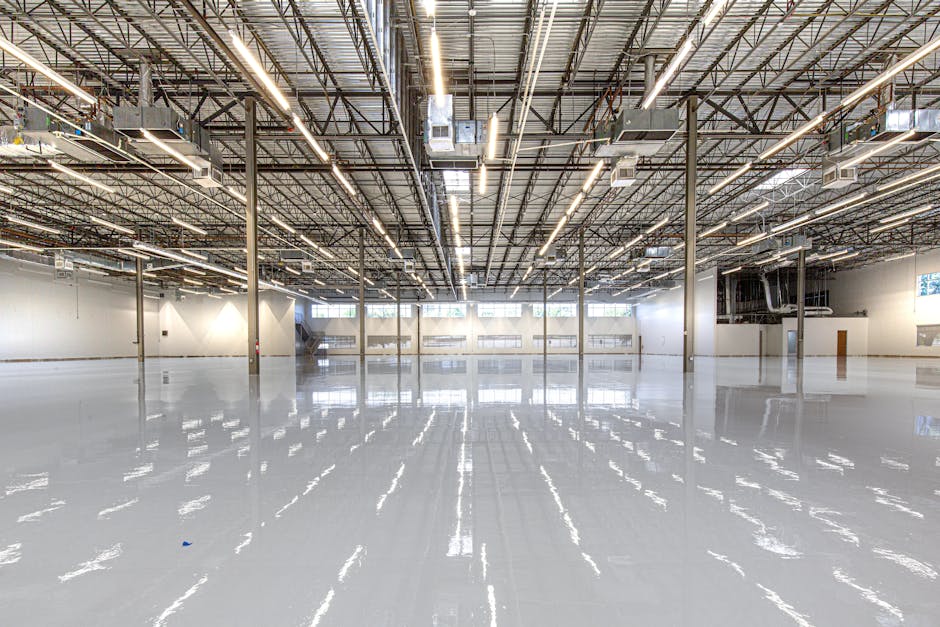
Garage epoxy flooring typically costs $3–$12 per square foot for DIY installation, including materials and tools. Total project expenses depend on garage size, surface condition, epoxy type, and preparation requirements. Our cost calculator helps estimate your specific project. (Related: DIY Home Improvement Cost Calculators for Beginner Projects) (Related: Cabinet Refacing vs Replacement: Complete Cost Guide 2026) (Related: 5 Essential Facts About Foundation Crack Repair Costs in 2026) (Related: Budget-friendly fall home improvement projects under $100 with cost calculators) (Related: Water Heater Replacement Costs: Complete Tank vs Tankless Guide 2026) (Related: Complete Guide to Garage Epoxy Flooring Cost in 2026)
Garage Epoxy Flooring Cost Breakdown
How much does it cost to epoxy a garage floor?
For a standard two-car garage (approximately 400–500 square feet), expect to spend $1,200–$6,000 for professional installation. DIY epoxy floor installation cost runs significantly lower at $400–$1,500 for the same space, depending on product quality and surface prep needs.
Here is a breakdown of typical garage epoxy flooring price ranges by category:
- Water-based epoxy kits: $0.50–$2 per square foot (thinner, less durable)
- Solvent-based epoxy: $1.50–$3 per square foot (stronger chemical resistance)
- 100% solid epoxy: $3–$7 per square foot (professional-grade durability)
- Polyurea or polyaspartic coating: $4–$8 per square foot (fast cure, UV stable)
- Decorative flakes and additives: $0.25–$1 per square foot additional
- Tools and supplies (brushes, rollers, squeegees): $50–$150 one-time cost
Professional labor typically adds $2–$5 per square foot on top of material costs. If your concrete slab has existing cracks, oil stains, or moisture issues, remediation costs can push your total garage epoxy flooring cost higher before a single drop of epoxy is applied.
Preparation Steps Before Application
Surface preparation is the single most critical factor in a successful epoxy coating. According to the EPA’s renovation and repair guidelines, proper surface preparation not only ensures adhesion but also protects against releasing harmful dust particles during grinding or shot blasting — especially important in older homes where concrete may contain embedded contaminants.
Thorough garage floor epoxy preparation typically follows these stages:
- Test for moisture: Tape plastic sheeting to the floor for 24 hours. Condensation underneath means moisture vapor is present, which will cause epoxy to peel.
- Clean the concrete: Remove oil, grease, and chemical residue using a degreaser. Pressure washing is recommended for heavily soiled floors.
- Repair cracks and spalls: Fill hairline cracks with epoxy crack filler ($15–$40). Larger structural cracks may need a concrete repair mortar.
- Acid etching or mechanical grinding: Acid etching (muriatic acid solution) opens the concrete pores for $20–$40 in materials. Diamond grinding via rented equipment costs $50–$120/day but gives more consistent results.
- Final rinse and drying: Allow 24–48 hours of drying time after wet prep before applying any coating.
Skipping or rushing preparation is the leading cause of epoxy failure. Budget $100–$300 for prep materials in a standard garage — this investment protects the entire coating system.
DIY Application Process and Timeline
Can you apply epoxy flooring yourself?
Yes, DIY epoxy flooring application is achievable for most homeowners with basic skills and patience. The key is following manufacturer mixing ratios precisely and working within recommended temperature windows (typically 50°F–90°F). Most two-car garage projects take a full weekend to complete.
A practical DIY epoxy flooring application schedule looks like this:
- Day 1 – Prep: Clean, degrease, patch cracks, acid etch or grind (6–8 hours)
- Day 2 – Base coat: Mix and roll the primer or base coat epoxy (2–3 hours application, 12–24 hours cure)
- Day 3 – Broadcast flakes + topcoat: Scatter decorative chips if desired, apply topcoat or clear sealer (2–3 hours, 24–48 hours to foot traffic)
- Day 5–7 – Full cure: Wait 72 hours minimum before parking vehicles on the surface
Apply epoxy in sections using a 9-inch roller with a 3/8-inch nap sleeve. Work from the back of the garage toward the exit to avoid trapping yourself in a corner. Maintain a wet edge at all times to prevent lap marks.
Common DIY mistakes that add cost include mixing too much product at once (epoxy heats up and cures in the bucket), applying in direct sunlight (causes bubbling), and applying the topcoat too soon before the base is properly tacky-cured.
Cost Calculator and Material Estimates
Accurate material estimation prevents expensive overbuying or running short mid-project. Use our epoxy floor cost calculator to generate precise coverage estimates based on your garage dimensions, number of coats, and product type.
As a general reference, most epoxy products cover 200–250 square feet per gallon per coat. A two-coat system on a 480-square-foot garage (standard two-car) requires roughly 4 gallons of base coat and 4 gallons of topcoat at minimum.
Estimated material costs for a 480 sq ft garage:
- Water-based DIY kit: $240–$400
- Solvent-based mid-grade: $400–$700
- 100% solids professional epoxy: $700–$1,400
- Prep materials (acid, filler, degreaser): $100–$200
- Tools (rollers, squeegee, spike shoes): $60–$120
Total DIY budget range for a two-car garage: $400–$1,700 depending on product grade selected.
Factors Affecting Total Project Cost
Several variables can shift your final garage epoxy flooring cost significantly in either direction:
- Concrete condition: Heavily damaged or contaminated slabs require more prep labor and materials
- Number of coats: High-traffic garages benefit from three-coat systems, adding 30–50% to material costs
- Color and finish: Solid colors cost less; metallic epoxy finishes run $5–$12 per square foot in materials alone
- Climate and humidity: High humidity extends cure times and may require climate control
- Square footage: Larger garages reduce cost per square foot due to bulk material purchasing
For projects involving lead paint in older garages or asbestos in floor leveling compounds, consult EPA guidance before proceeding. The EPA’s asbestos safety resources outline proper testing and remediation
- Rust-Oleum EpoxyShield Garage Floor Coating Kit — Direct material solution for DIY garage epoxy projects; aligns with the post’s focus on epoxy flooring costs and DIY installation options
- Concrete Surface Prep Tools & Grinders — Essential for garage floor preparation mentioned in the post; proper surface conditioning is critical for epoxy application success
- PPE & Safety Equipment Bundle (Respirators, Gloves, Goggles) — Safety gear needed for epoxy application work; protects DIYers handling chemicals during floor coating projects
See also: Mulch Calculator: How Much Mulch Do You Need?
See also: Complete Tank vs Tankless Water Heater Cost Guide 2026
Related: Complete Garage Door Replacement Pricing Guide for 2026
Related: Garage Epoxy Flooring Cost Breakdown