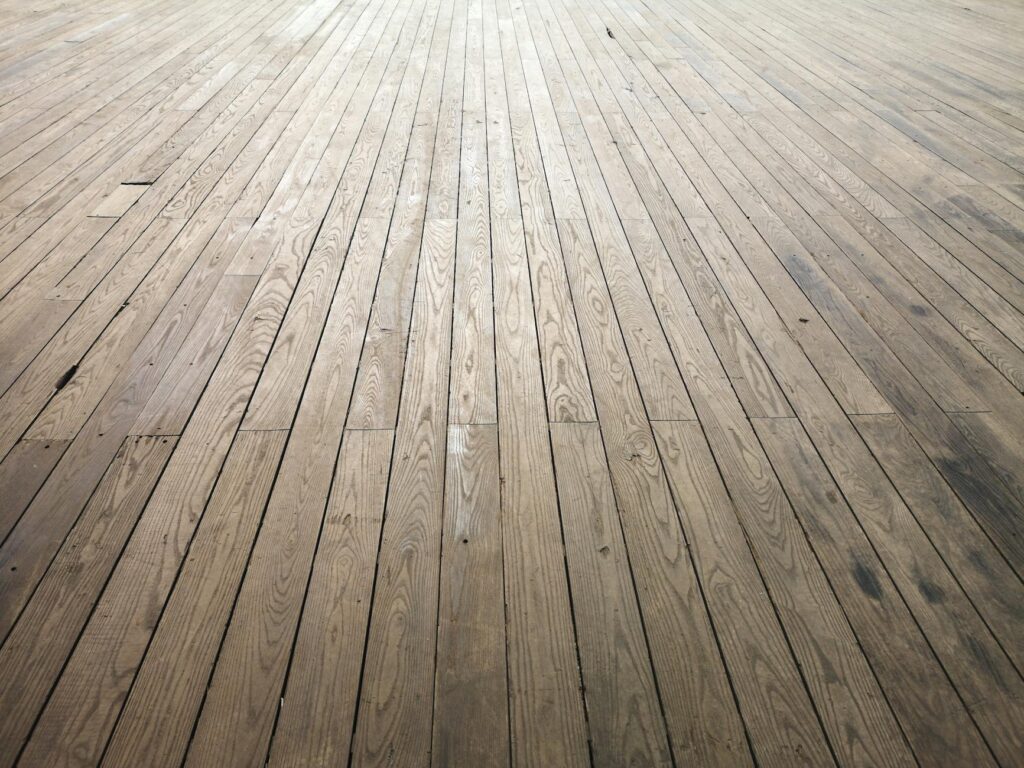
When your hardwood floors show signs of wear, you’re facing two main options: refinishing or complete replacement. Refinishing typically costs $3-$10 per square foot, while replacement runs $8-$15+ per square foot, making refinishing the more budget-friendly choice for most homeowners. Understanding the costs and conditions that favor each option helps you make the best decision for your home and wallet.
Refinishing vs Replacement: Cost Breakdown
The financial comparison between refinishing and replacement depends on several factors specific to your situation. Refinishing involves sanding down the existing wood surface, staining if desired, and applying new protective coatings. This process preserves your original flooring while giving it a fresh appearance.
Refinishing costs typically include:
- Labor: $1-$3 per square foot
- Materials (sandpaper, stain, polyurethane): $1-$2 per square foot
- Equipment rental: $200-$400 per job
- Disposal fees: minimal to none
Replacement involves removing existing flooring, preparing the subfloor, and installing new hardwood. This is significantly more intensive and costly. Replacement expenses include:
- New hardwood material: $3-$12 per square foot
- Removal and disposal: $1-$2 per square foot
- Subfloor repair (if needed): $2-$10 per square foot
- Installation labor: $3-$10 per square foot
For a 500-square-foot room, refinishing might cost $1,500-$5,000, while replacement could reach $4,000-$11,000. The difference becomes even more dramatic with larger spaces.
When Refinishing Makes the Most Sense
Refinishing is the ideal choice when your hardwood structure remains solid but the surface has deteriorated. This includes surface scratches, dull finishes, minor stains, and worn areas from traffic patterns. If your floor is less than 3/8 inch thick, refinishing is your only viable option since thinner boards can’t handle multiple sandings.
Choose refinishing when:
- The wood shows no cupping, buckling, or severe warping
- Boards are securely fastened without significant movement
- No widespread water damage or rot exists
- You want to maintain original wood character and species
- Budget constraints favor the lower-cost option
- You need the project completed in 1-2 weeks
The refinishing process typically takes 5-10 days depending on floor size and complexity. Most of this time allows coatings to cure between applications. You’ll need to vacate during sanding and immediately after application due to dust and fume concerns, though the floor becomes walkable within 24-48 hours.
When Replacement Is Necessary
Full replacement becomes necessary when structural damage compromises the integrity of your hardwood. Extensive water damage, deep gouges affecting multiple boards, persistent cupping or buckling, or severe pest damage all warrant replacement. Additionally, if you want to change wood species, color dramatically, or install different wood types (like mixing solid and engineered), replacement offers greater flexibility.
Replace your hardwood floor when:
- Rot, mold, or pest damage affects large areas
- Boards are warped, cupped, or buckled beyond repair
- The existing floor is less than 3/16 inch thick
- Significant structural movement indicates subfloor issues
- You want to upgrade to premium wood species or grades
- Moisture problems persist despite repairs
- You’re completely redesigning your home’s aesthetic
Replacement projects require 2-4 weeks for completion, including removal, subfloor preparation, and installation with proper curing time. The investment is substantial but provides a completely new floor with a fresh warranty and decades of remaining lifespan.
How to Calculate Your Project Costs
Accurate budgeting starts with precise measurements and material selection. Our flooring calculator helps you determine exact square footage needs and material costs for both refinishing and replacement projects. Simply input your room dimensions, select your preferred wood type and finish options, and get instant cost estimates for comparison.
Using a calculator eliminates guesswork and helps you prepare accurate bids when requesting quotes from contractors. You’ll understand material costs separately from labor, making it easier to identify where your budget goes and where you might save money through DIY work on portions of the project.
Key Considerations Beyond Cost
Price shouldn’t be your only factor. Consider the environmental impact—refinishing reuses existing materials, making it the greener choice. Think about timeline too; refinishing works better when you need quick turnaround, while replacement suits major renovations where timing is flexible.
Also evaluate your floor’s sentimental value. Original hardwood from your home’s construction often carries character and history that new flooring can’t replicate. Refinishing preserves this while giving you the updated appearance you want.
Frequently Asked Questions
How many times can hardwood floors be refinished?
Most hardwood floors can be refinished 1-3 times during their lifetime, depending on thickness. Solid hardwood thicker than 3/4 inch handles multiple refinishings better than thinner engineered flooring. Each refinishing removes approximately 1/16 inch of material, so proper thickness from the start matters significantly for longevity.
Can I refinish floors myself to save money?
DIY refinishing is possible but challenging. You’ll need to rent drum and edging sanders, which requires technique to avoid gouging floors. Stain application and polyurethane coating demand experience to avoid streaks and uneven coverage. Many homeowners find professional results worth the labor cost, especially since mistakes are expensive to fix. If you proceed with DIY, expect to invest 2-3 weeks and potentially sacrifice some quality.
What’s the best way to decide between refinishing and replacement?
Start by assessing damage honestly. Hire a professional inspector if you’re uncertain about subfloor condition or the extent of damage. Get quotes for both options—contractors can often determine what’s feasible after inspection. Factor in your timeline, budget, and long-term plans for the home. If the floor structure is sound and you’re satisfied with the wood type, refinishing saves money and time while delivering impressive results.
Related: hardwood floor refinishing vs replacement cost
Related: wood vs composite deck costs
Related: crushed stone vs pea gravel
Related: lumber calculator board feet
Related: kitchen remodel cost guide
Related: hardwood floor refinishing vs replacement
Related: landscape fabric calculator guide
Related: measuring irregular lawn shapes
Related: brick calculator estimate courses
Related: stair calculator rise run guide
Related: roofing calculator shingles costs
Related: retaining wall block calculator
Related: DIY calculator smart home planning
Related: concrete calculator
Related: gravel driveway material cost guide
Related: tile calculator for floors and walls
Related: concrete calculator
Related: concrete calculator guide
Related: sod calculator how much grass
Related: insulation calculator guide
- Hardwood Floor Refinishing Kit — Direct match for DIY refinishing option discussed in post; appeals to cost-conscious homeowners wanting to save on labor
- Floor Sander Rental/Purchase — Essential equipment for refinishing hardwood floors; major cost component that readers will research when comparing refinishing vs replacement
- Wood Floor Stain and Polyurethane Finish — Supplies needed to complete refinishing project; natural follow-up purchase for readers choosing the refinishing option
Related: Hardwood Floor Refinishing Cost vs Full Replacement: The Budget Breakdown
Related: Hardwood Floor Refinishing vs Replacement Cost Guide